





Published Wednesday, August 5, 2026 by Pilesgrove Pups in New Puppy, Dog News
Questions are welcome at Pilesgrove Pups. In fact, some of our favorite conversations begin with a long list of them. Families want to know where puppies are raised, how the parent dogs are chosen, what veterinary care puppies receive, whether they can visit us, how delivery works, and what happens after homecoming.
Then there are the wonderfully specific questions. How big will this puppy get? Is that tiny white patch going to stay? Why does one puppy look serious while their sibling appears to be planning something? We may not always know what the puppy is plotting, but we can certainly help with the rest.
Choosing a puppy is a big decision. It should feel joyful, but it should also feel informed. That is why we have answered 30 of the most common questions about Pilesgrove Pups in one place. These answers cover who we are, how the breeder network works, what happens during a puppy’s first weeks, how to reserve, and the support families receive after their puppy comes home.
Table of Contents
Getting to Know Pilesgrove Pups
1. Who is Pilesgrove Pups?

Pilesgrove Pups is a team of dog lovers, puppy care specialists, reservation agents, veterinary professionals, educators, and delivery staff who help connect well-raised puppies with loving families.
We work with reputable breeders who share our standards for responsible breeding, parent health, puppy development, veterinary care, and documentation. Our team coordinates the puppy’s final health review, homecoming preparation, reservation process, delivery or pickup, and post-reservation support.
Behind all those serious responsibilities, we are still people who get excited when a puppy discovers a new toy or proudly carries a blanket twice their size. We love this work, and that affection shapes the way we care for both puppies and families.
Meet our Team and Learn about us
2. Is Pilesgrove Pups a puppy mill?
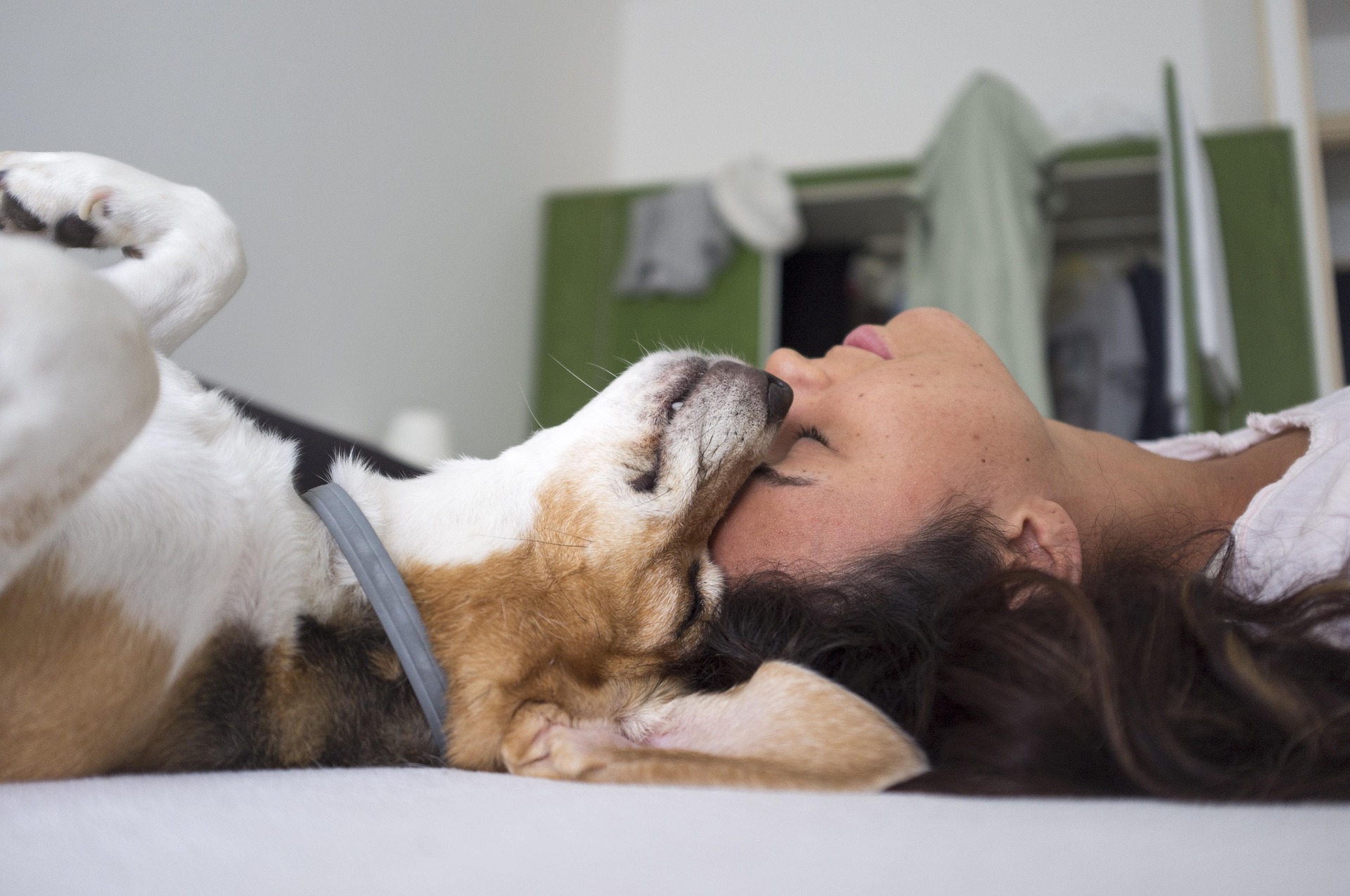
No. Pilesgrove Pups is not a puppy mill.
Puppy mills are associated with breeding practices that place volume and profit ahead of the health and well-being of dogs. Our model is built around breed-appropriate parent health testing, veterinary involvement, breeder standards, documented puppy development, health evaluations, and continued responsibility after placement.
We also publish our Code of Ethics, Breeder Standards, Puppy Health program, Puppy Development Plan, diagnostic process, and health guarantee so families can look beyond our words and examine how the process works. Our full article, “Is Pilesgrove Pups a Puppy Mill? 35 Reasons Why We Are Not,” explores this question in much greater detail.
3. Is Pilesgrove Pups legitimate and safe to use online?
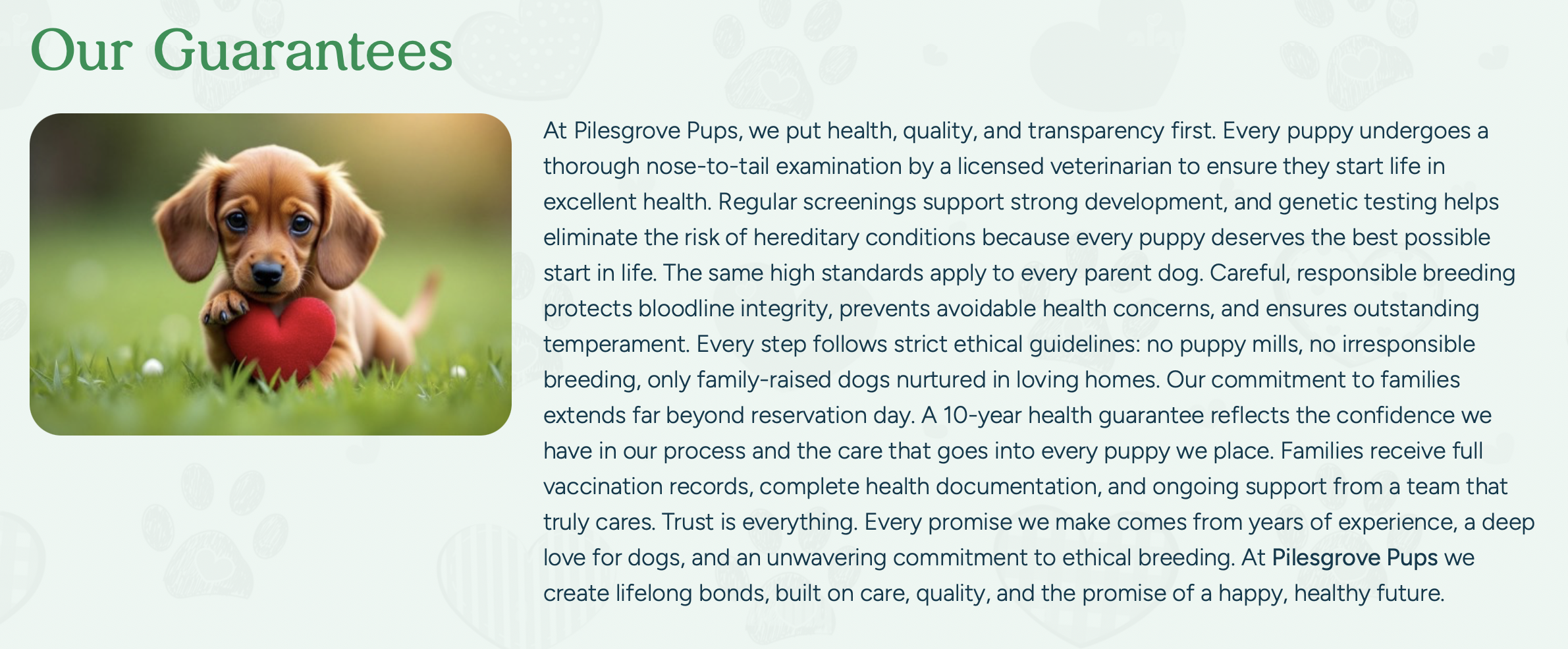
We understand why families are cautious about reserving a puppy online. Frankly, they should be. Puppy scams exist, and a photograph alone is never enough proof that a real puppy or responsible company is behind a listing.
Pilesgrove Pups has a physical location in Pilesgrove, New Jersey, a real team, a direct phone number, individual puppy profiles, customer reviews, scheduled visits, and live video options. Families can speak with our team, request additional puppy information, arrange a FaceTime call, or visit us by appointment.
We also use established, bank-protected payment options rather than asking families to send money through anonymous or difficult-to-trace services. Still, we encourage every family to slow down, ask questions, verify the puppy, and understand the reservation terms before making a decision.
See our Standards, Health & Oversight
4. Does Pilesgrove Pups breed every puppy itself?
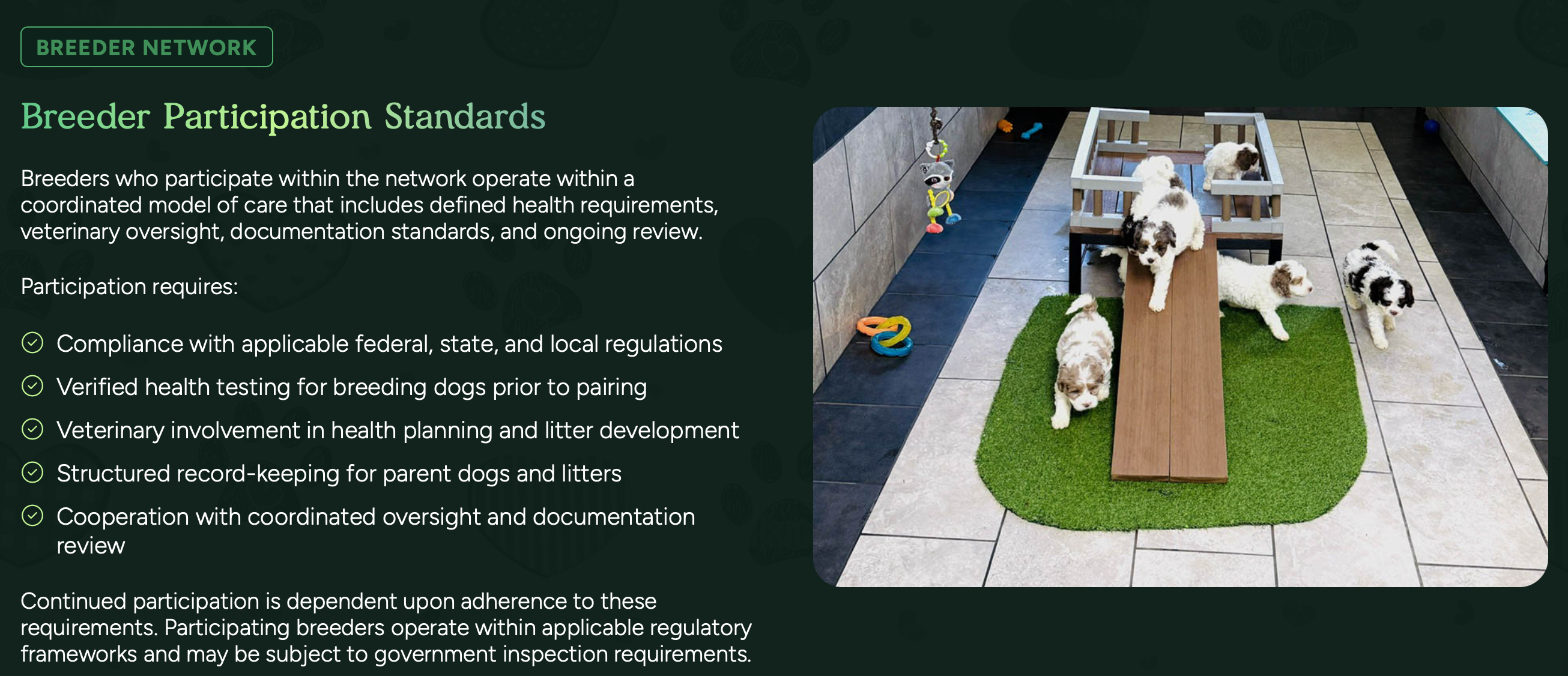
We work with a coordinated network of responsible, hand-chosen breeders rather than raising every litter through one breeder or in one location.
These breeders operate under defined requirements for parent health testing, veterinary care, documentation, puppy development, preventive treatment, and oversight. Puppies are raised with their mothers and littermates before transitioning to Pilesgrove Pups for final preparation and review.
Our role does not begin when a puppy is ready to be listed. We help coordinate the standards that guide breeding decisions, maternal health, early development, veterinary care, records, final screening, placement, and family support.
See Pilesgrove Pups’ Breeder Standards
5. Where is Pilesgrove Pups, and can I visit?
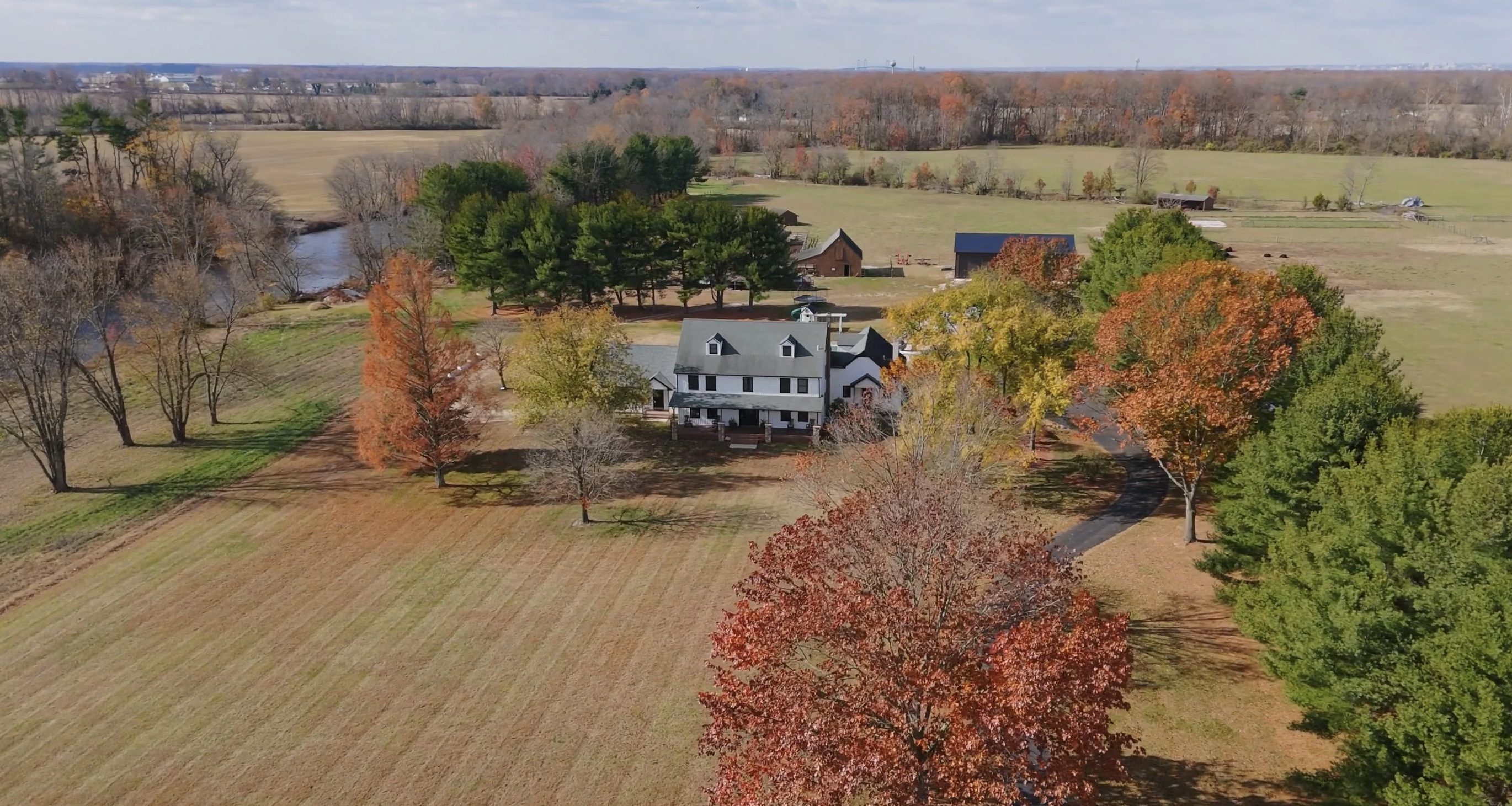
We are located at 279 Sharptown-Auburn Road in Pilesgrove, New Jersey.
Local puppy viewings and pickups are available by appointment. Scheduled visits help us give each family personal attention while limiting unnecessary traffic around young puppies whose immune systems are still developing.
We are not arranged like a walk-in pet store with puppies displayed in glass enclosures all day. Families may meet up to three suitable puppies during an appointment, and visitors are asked to follow sanitation precautions. Give our team a call before making the drive so we can confirm which puppies are present and ready to meet.
See the Pilesgrove Pups Experience
6. Can you help me choose the right breed or puppy?
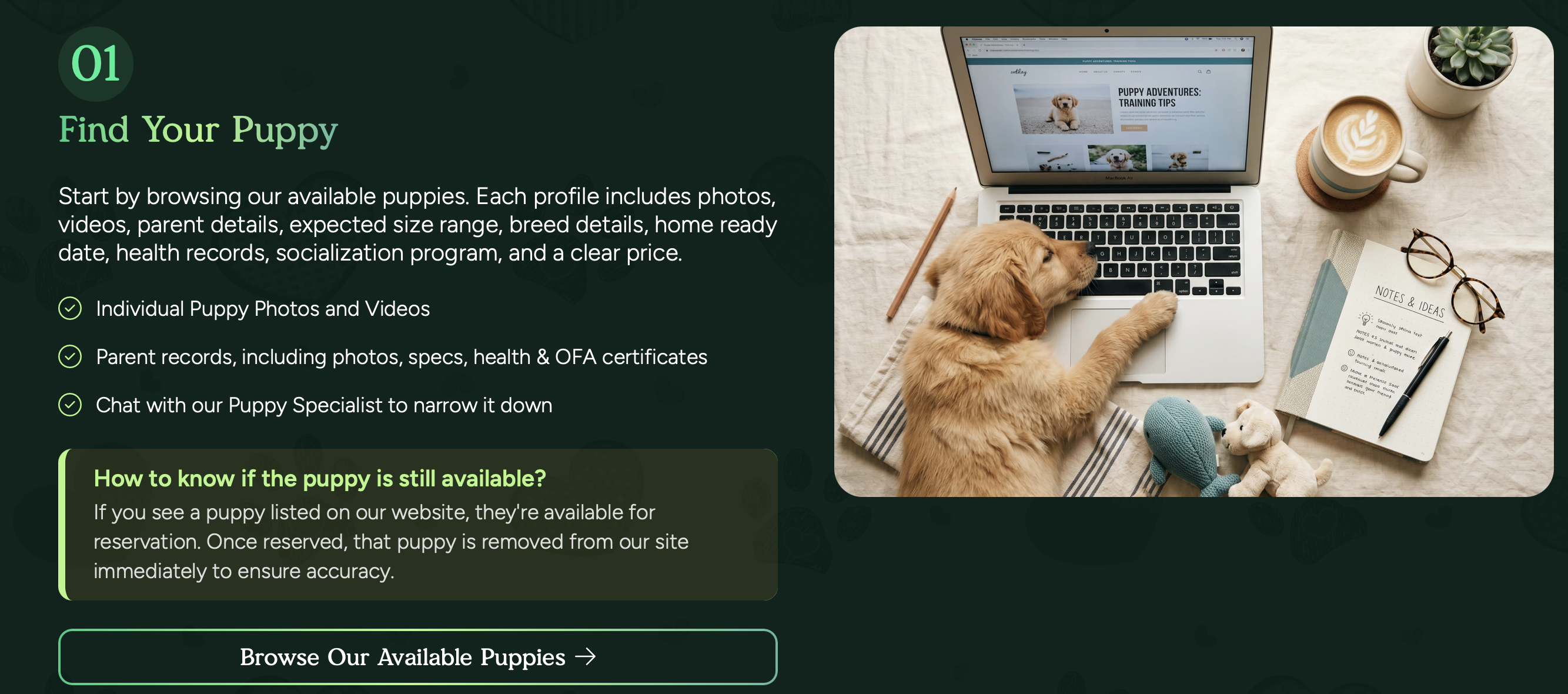
Absolutely. You do not need to arrive with every detail figured out.
Our puppy specialists can help you compare adult size, activity level, temperament patterns, coat type, grooming needs, trainability, and how different breeds may fit with children, other pets, apartment living, travel, or a quieter home.
We also publish detailed breed information articles for families who enjoy researching before making a decision. Those resources explore the lovely parts of each breed along with the practical realities, because “adorable” is important, naturally, but it is not a complete lifestyle assessment.
Individual personalities still vary, even within the same litter. Our team can help you look beyond appearance and think about which puppy may fit most comfortably into your life.
Pilesgrove Pups Breeders and Parent Dogs
7. How does Pilesgrove Pups choose participating breeders?
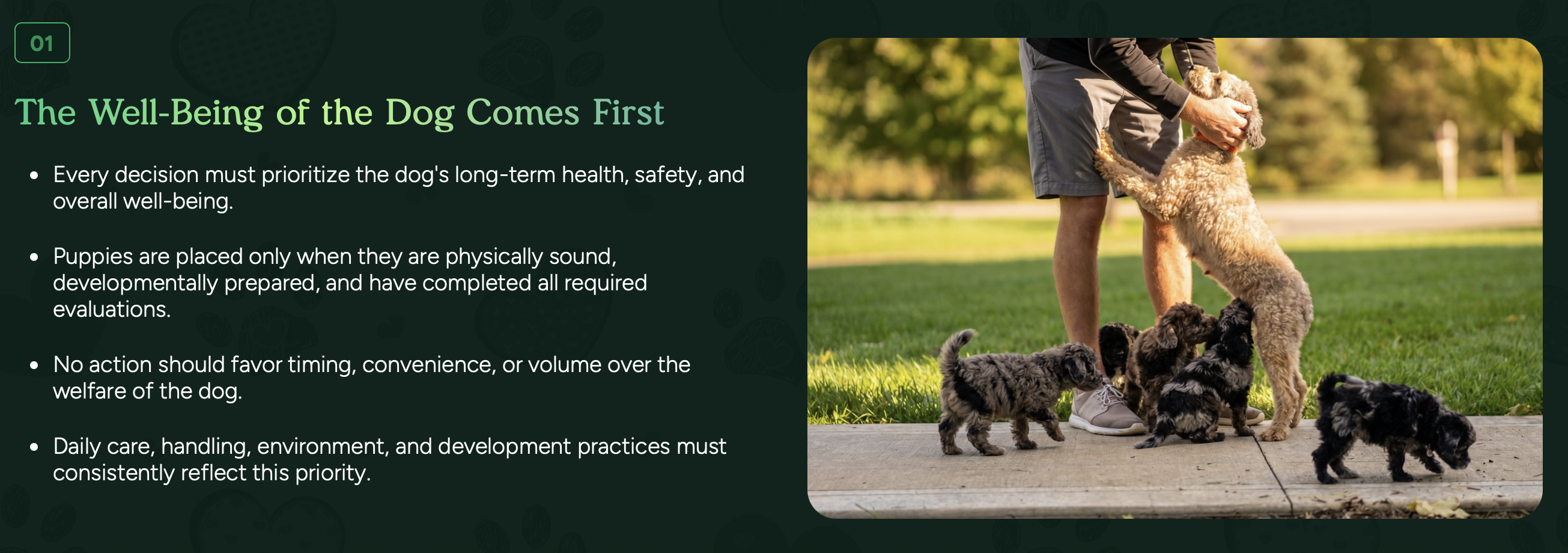
Breeders must meet established participation standards before working within the network.
Requirements include applicable regulatory compliance, verified health testing for breeding dogs, veterinary involvement, structured records, responsible litter development, and cooperation with ongoing review. Continued participation depends on meeting those requirements consistently.
We want to work with people who understand that raising puppies is a responsibility before it is a business. The best breeder relationships are built around a shared concern for the dogs, honest communication, and a willingness to document the care being provided.
Learn About Our Code of Ethics
8. What health testing do the parent dogs receive?
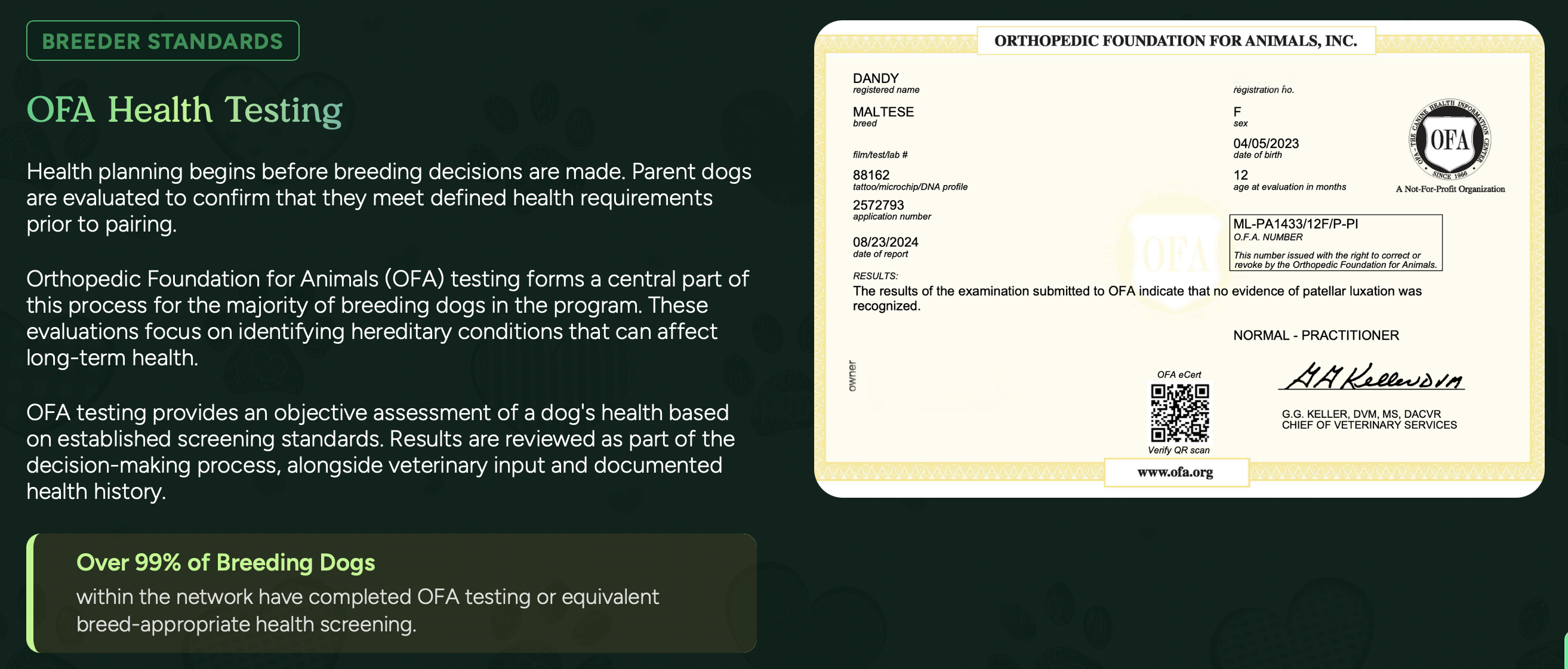
Parent dogs undergo health evaluations based on their breed and known health risks.
This includes Orthopedic Foundation for Animals testing where appropriate, along with other breed-relevant screenings, veterinary examinations, and a review of documented health history. More than 99% of breeding dogs in the network have completed OFA testing or an equivalent breed-appropriate evaluation.
No health test can guarantee that a puppy will never experience a medical condition. Its value lies in identifying known concerns, guiding responsible pairings, and avoiding preventable risks wherever possible.
9. Do you consider temperament, appearance, and compatibility before breeding?
Yes. Responsible breeding involves much more than confirming that two dogs are healthy.
Health history, veterinary findings, maturity, physical condition, overall compatibility, and breed qualities are considered before a pairing is confirmed. Temperament, structure, movement, coat quality, size, and other characteristics also matter because families are hoping for a healthy companion who can fit naturally into everyday life.
Appearance may be the first thing someone notices, but it should never be the only reason a pairing occurs. A beautiful coat is lovely. A stable, affectionate dog with sound health is the real goal.
10. How are the parent dogs and mothers cared for?
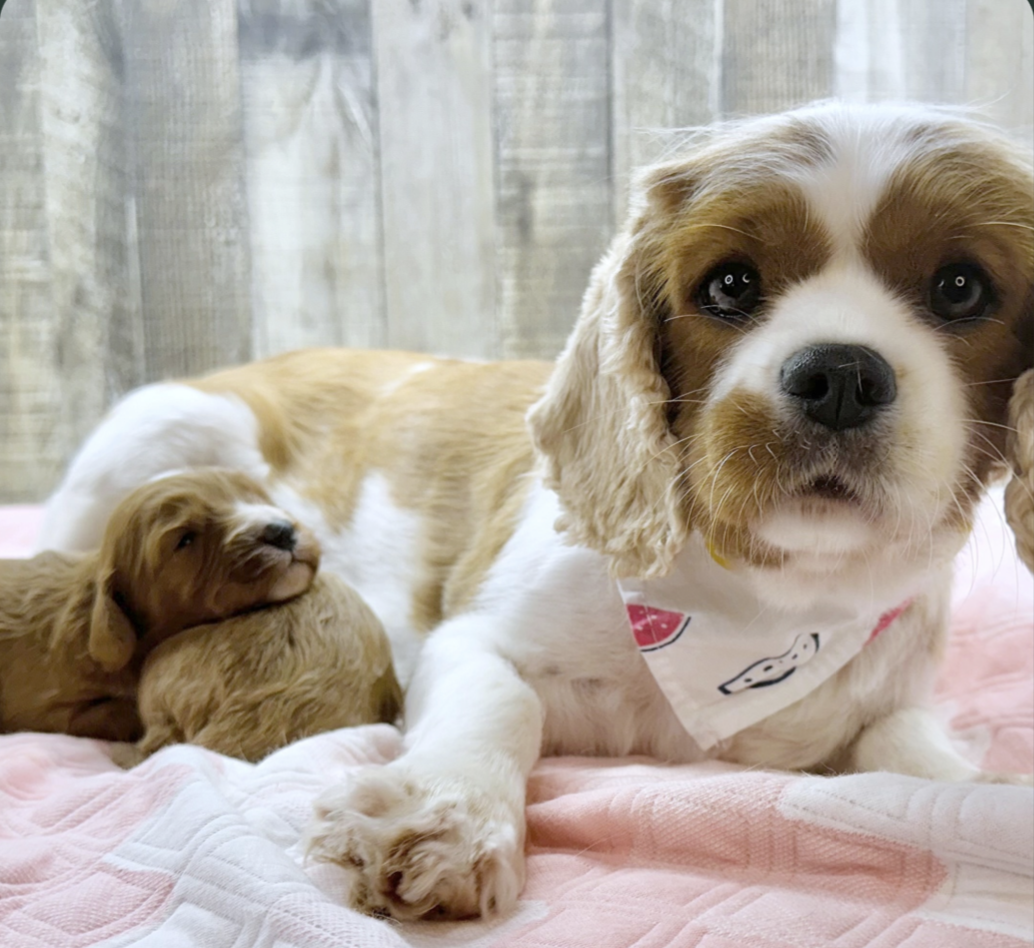
Parent dogs live with participating breeders in home, farm facility, ranch, and country-homestead settings. They are part of familiar households and daily routines, not nameless dogs remembered only when another litter is planned.
Mothers receive veterinary-guided health support before and during pregnancy. Their nutrition, vaccinations, parasite prevention, physical condition, comfort, and recovery all matter.
Once the puppies arrive, we never forget how much the mother is giving. She is nursing, cleaning, warming, protecting, and teaching an entire little family. She deserves a peaceful place to rest, good food, gentle attention, and people who notice when she needs help or simply wants a quiet moment away from furry enthusiastic dinner guests.
11. Can I see photos or information about a puppy’s parents?
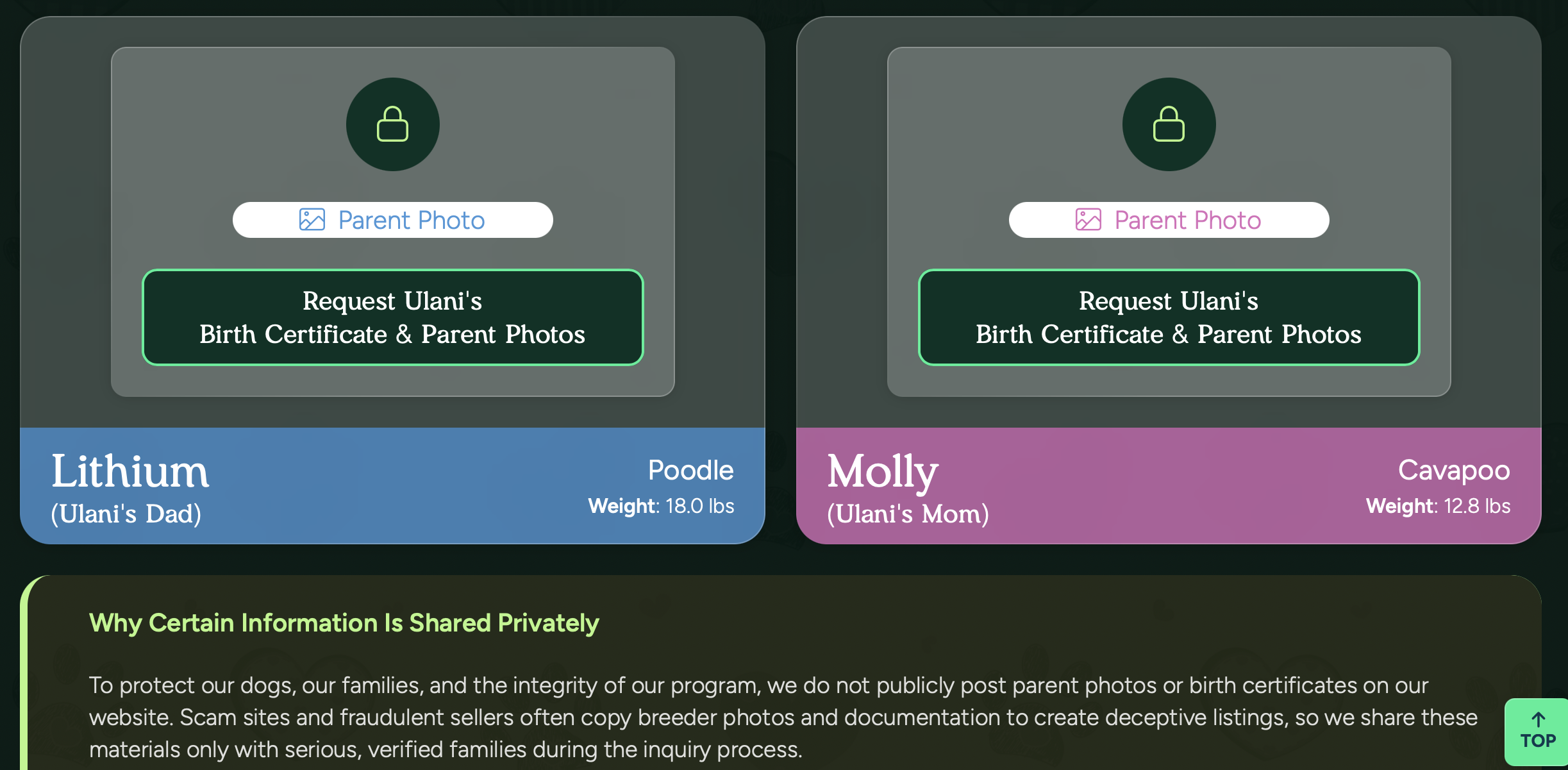
Yes. Puppy profiles include parent details when available, and families can request additional parent photos, specifications, health information, documentation, and birth records.
Some breeder and parent materials are shared directly with interested families rather than published openly. Puppy photographs and registration documents are commonly copied by scam websites, so controlled access helps protect both the breeder and the genuine family requesting the information.
Ask our team what is available for the puppy you are considering. We would much rather answer the question than have you sit at home wondering.
A Puppy’s First Weeks at Pilesgrove Pups
12. Where are Pilesgrove Pups puppies raised?
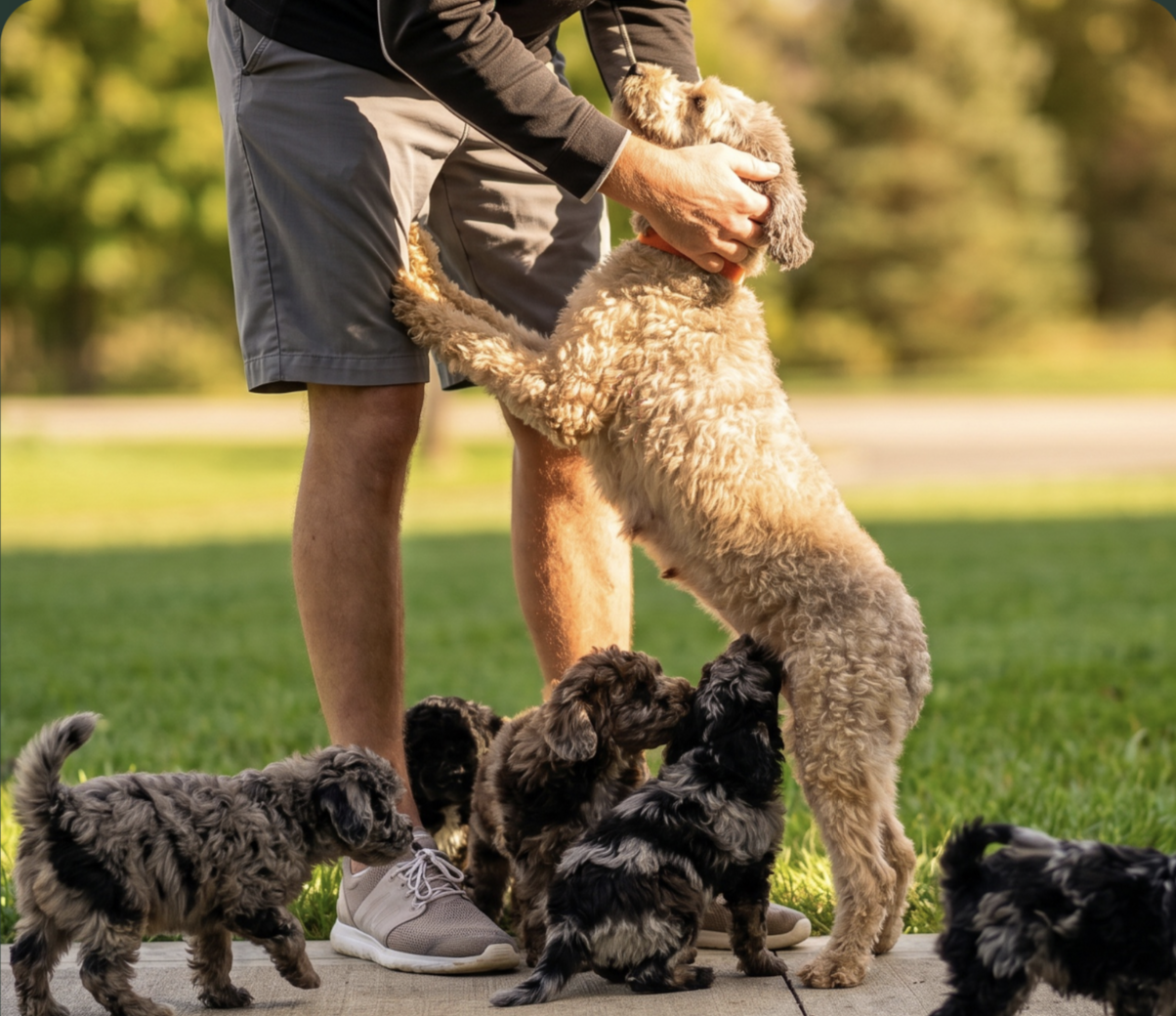
Puppies begin life with participating breeders in home, farm facility, ranch, or country-homestead environments.
They grow up around their mother, littermates, caregivers, human voices, normal routines, and age-appropriate household activity. Each breeder setting may look a little different, but the requirements for health care, records, sanitation, veterinary involvement, and puppy development are consistent.
The goal is not to make every puppy’s early environment identical. It is to make sure each puppy receives attentive, structured care within a setting where people know and interact with them every day.
13. What happens during a puppy’s first eight weeks?
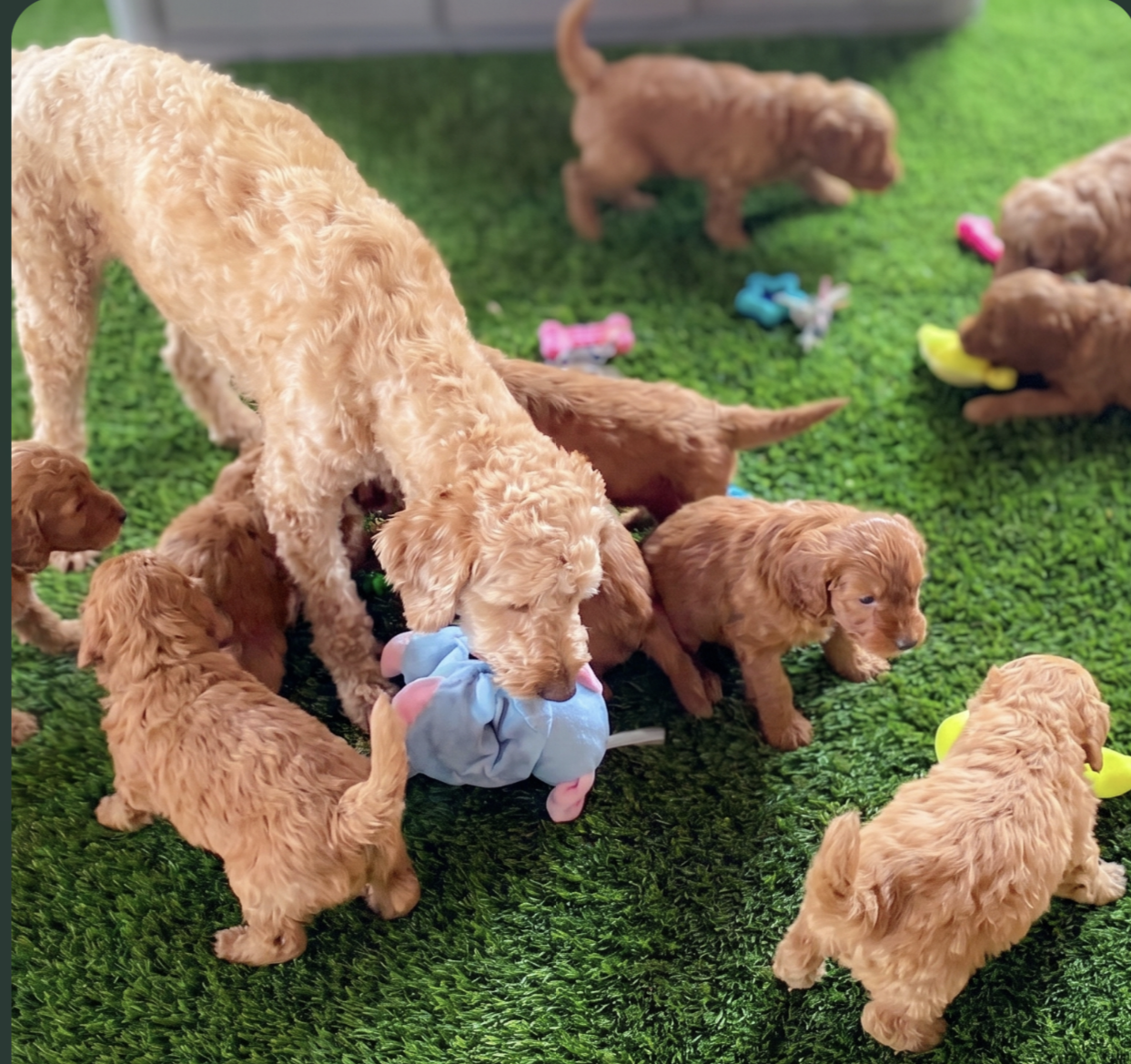
The first eight weeks are full of change.
During the neonatal stage, puppies depend completely on their mother. Their nursing, warmth, weight, cleanliness, and physical stability are monitored closely. As their eyes and ears open, they begin noticing human voices, movement, and their surroundings.
Between three and five weeks, puppies become more mobile, social, and curious. They explore safe surfaces, interact with their littermates, and experience gentle handling. Later, they receive more individual attention, simple enrichment, exposure to household activity, and preparation for feeding, rest, travel, and potty routines.
The process follows a structured Puppy Development Plan, but each puppy’s pace matters. One may investigate everything immediately. Another may need a thoughtful pause before deciding the new object is probably not plotting against them.
14. How old are puppies when they can go home?
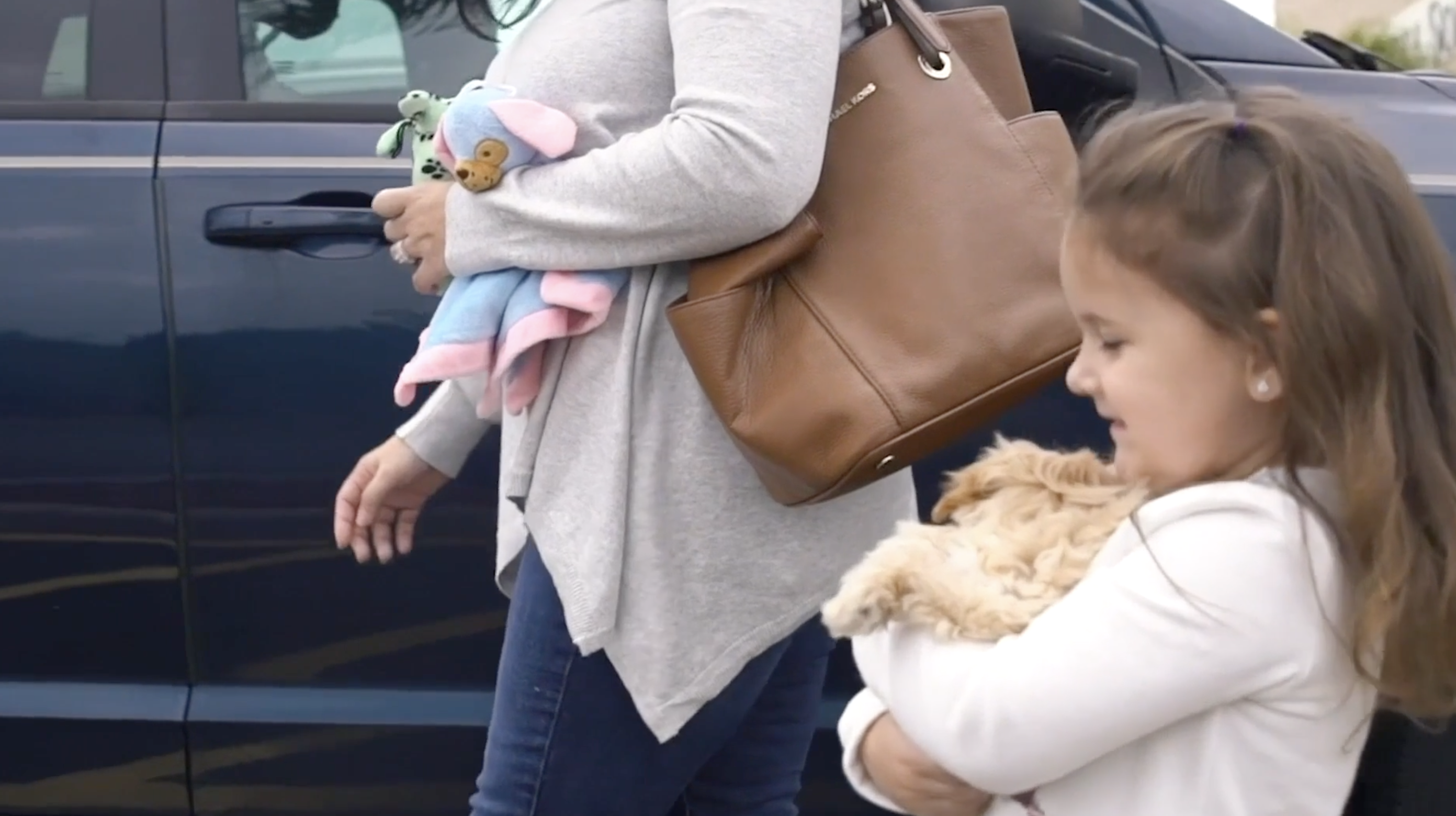
Puppies stay with their mother and littermates until they are at least eight weeks old.
Those weeks support nursing, immune development, social behavior, communication, play, confidence, and lessons that only a mother and littermates can provide. Being able to eat solid food does not automatically mean a puppy is ready to leave.
Eight weeks is the minimum, not a deadline. A smaller puppy, a slower eater, or a puppy who needs additional medical or developmental time may remain in care longer. We would rather move a homecoming date than move a puppy before they are ready.
15. How are puppies monitored before they are listed?
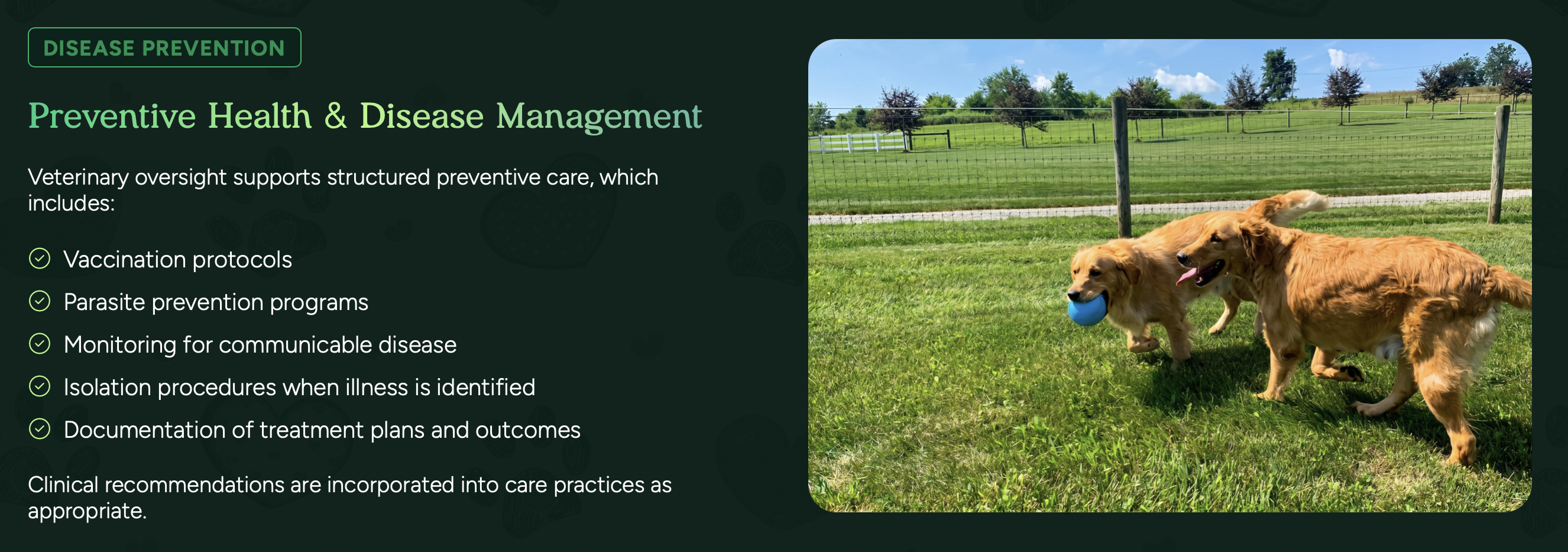
Puppies are observed from birth, not examined for the first time after a profile goes live.
Caregivers track weight, growth, nursing, eating, movement, general condition, behavior, and developmental milestones. Veterinary examinations also occur during early development to confirm health and progress.
Before a puppy is presented to families, we want a meaningful picture of how that puppy is growing and adjusting. Monitoring then continues after listing and through final placement preparation. A puppy’s profile may be online, but the puppy is still very much growing, changing, and keeping everyone busy behind it.
16. What vaccinations and deworming do puppies receive?
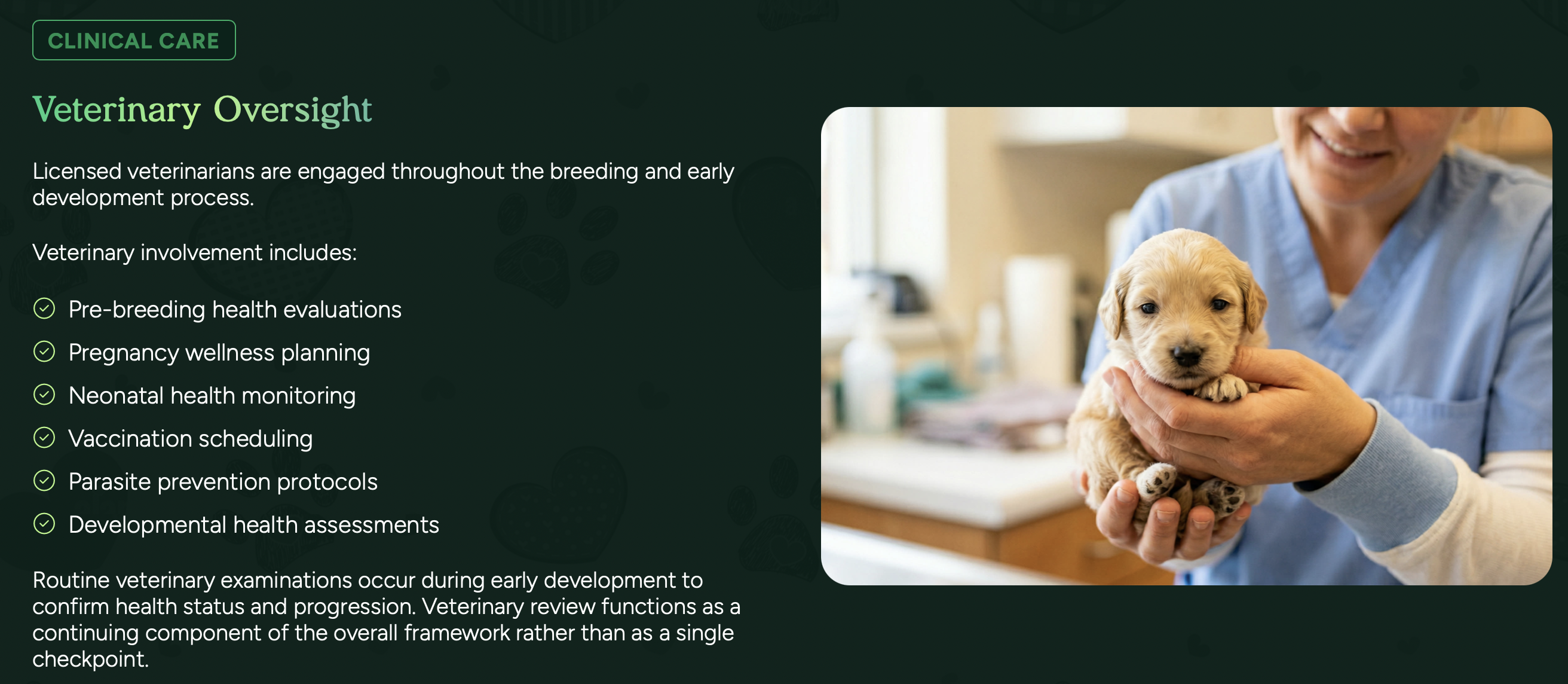
Preventive care begins early and follows an age-appropriate schedule.
Puppies begin deworming with Pyrantel Pamoate at approximately two weeks of age, with treatment repeated at regular two-week intervals while they remain in breeder care. Around eight weeks, puppies receive age-appropriate vaccinations that include protection against conditions such as distemper, adenovirus, parainfluenza, parvovirus, and Bordetella.
When a puppy stays in care longer, vaccinations continue at the appropriate intervals. Every family receives the puppy’s completed vaccination and deworming history so their veterinarian knows what has been administered and what should come next.
17. What veterinary checks does a puppy receive before homecoming?
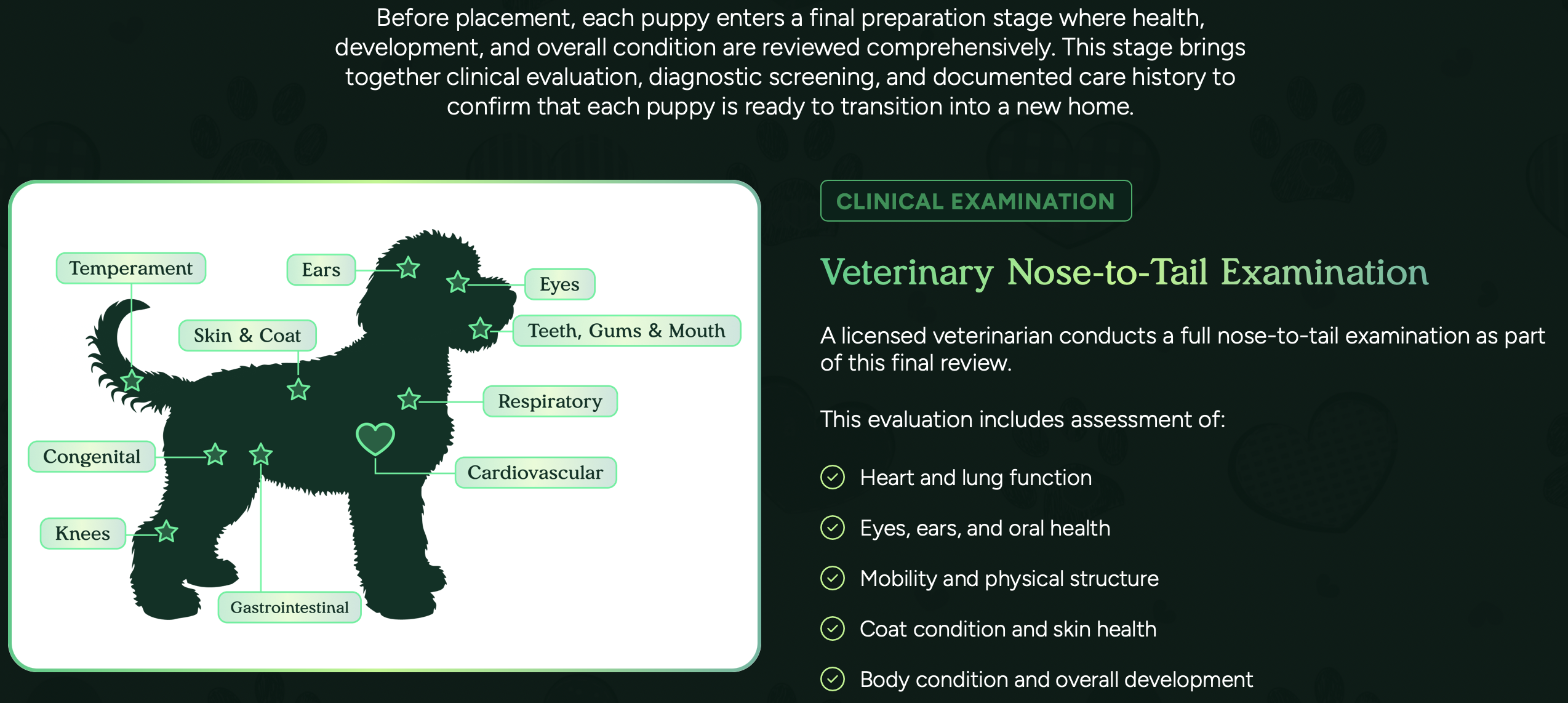
Veterinarians are involved throughout early development, and every puppy completes a final nose-to-tail examination before placement.
The final exam reviews the puppy’s heart, lungs, eyes, ears, mouth, skin, coat, mobility, physical structure, body condition, and overall development. The veterinarian also reviews relevant health and vaccination records.
This examination is part of a broader final review that includes documented care history, diagnostic screening, and an assessment of the puppy’s readiness to transition home. A healthy-looking puppy is delightful, of course, but we want clinical information behind those bright eyes and enthusiastic tail wags.
Learn about Puppy Health at Pilesgrove Pups
18. What is VetScan Imagyst, and why do you use it?
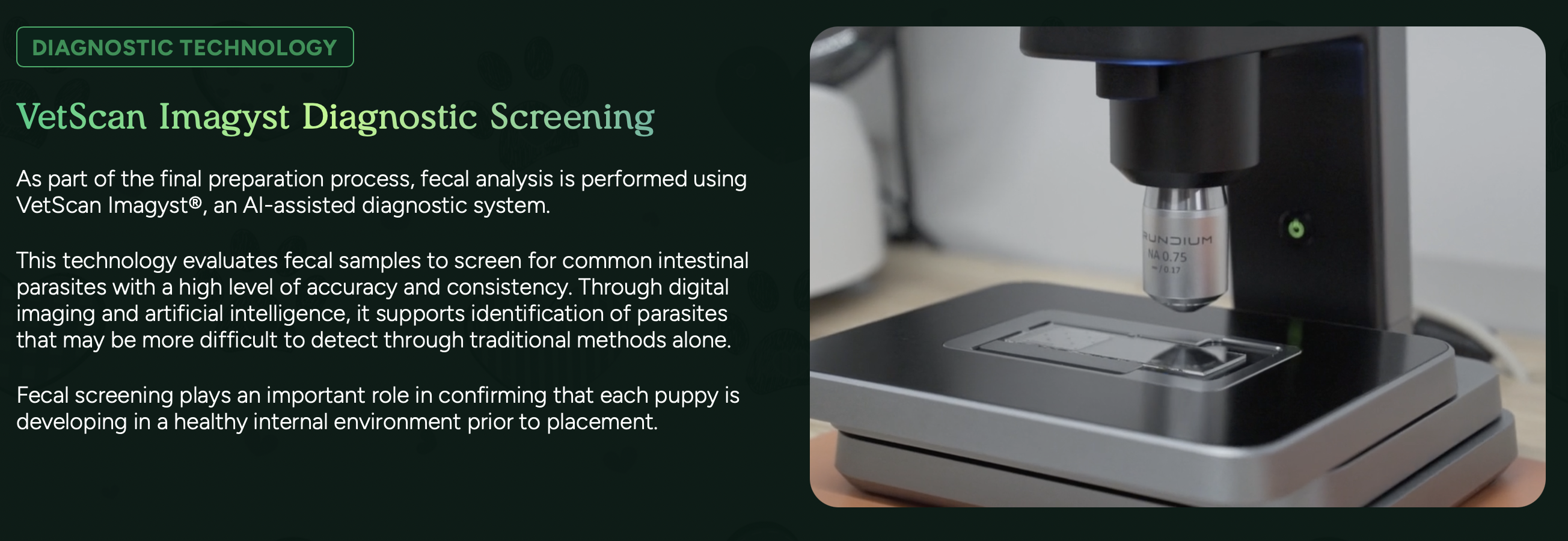
VetScan Imagyst is an AI-assisted diagnostic system used to analyze fecal samples before puppies go home.
The system combines digital imaging with artificial intelligence to screen for common intestinal parasites, including Giardia, coccidia, roundworms, hookworms, whipworms, and tapeworms. Some parasites can be present even when a puppy looks energetic and healthy.
This screening gives our veterinary team another objective source of information. When a parasite is identified, treatment can begin before homecoming rather than leaving the family to discover the issue later.
19. What is the optional advanced blood evaluation?
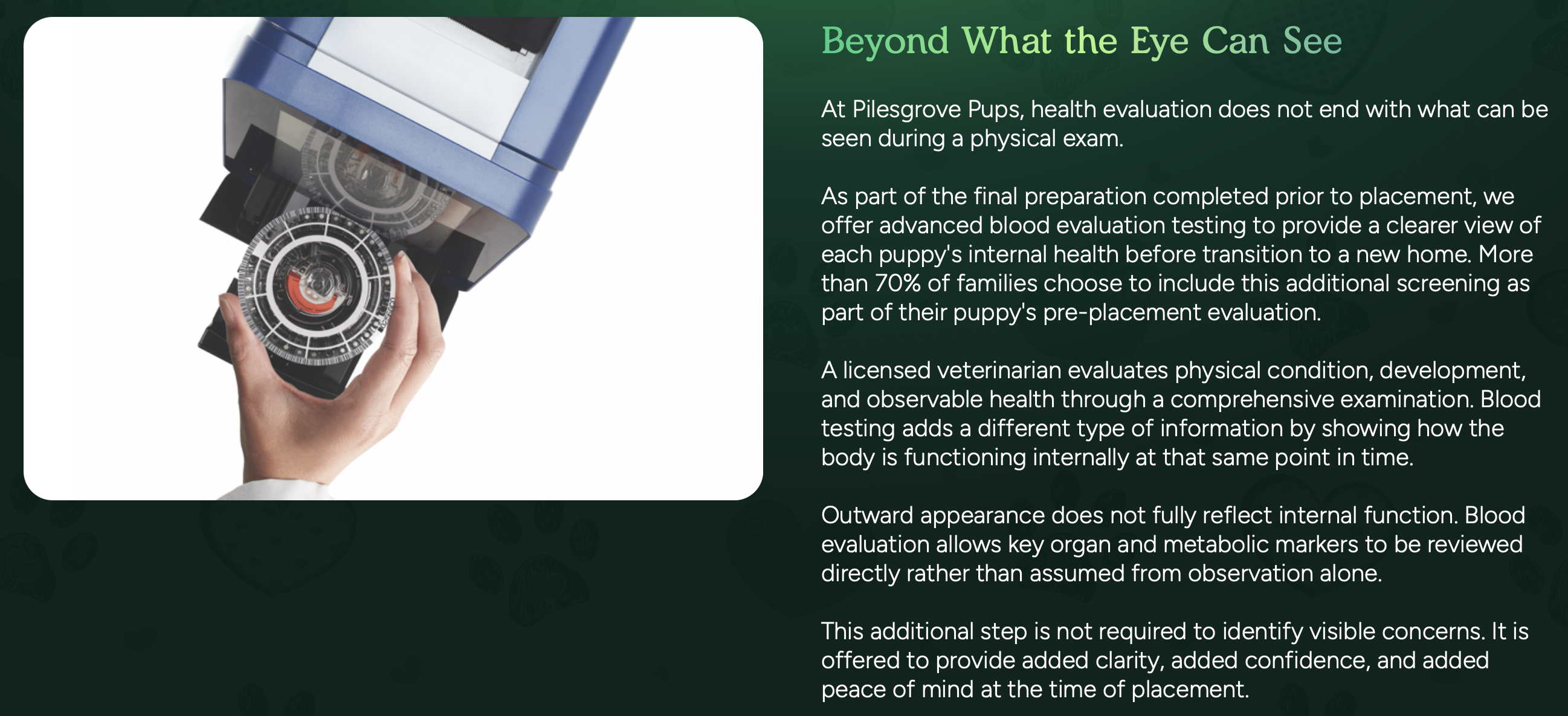
The advanced blood evaluation is an optional pre-placement screening that offers a closer look at a puppy’s internal health.
A physical examination shows what a veterinarian can observe from the outside. Bloodwork adds information about organ function, blood cells, hydration, glucose, proteins, and other internal markers at that moment in time.
More than 70% of families choose this added evaluation. It cannot predict every future health problem, nor is it meant to. It provides another layer of information and a useful baseline before the puppy transitions home.
Learn About Advanced Blood Evaluations at Pilesgrove Pups
20. How are puppies socialized, groomed, and prepared for home life?
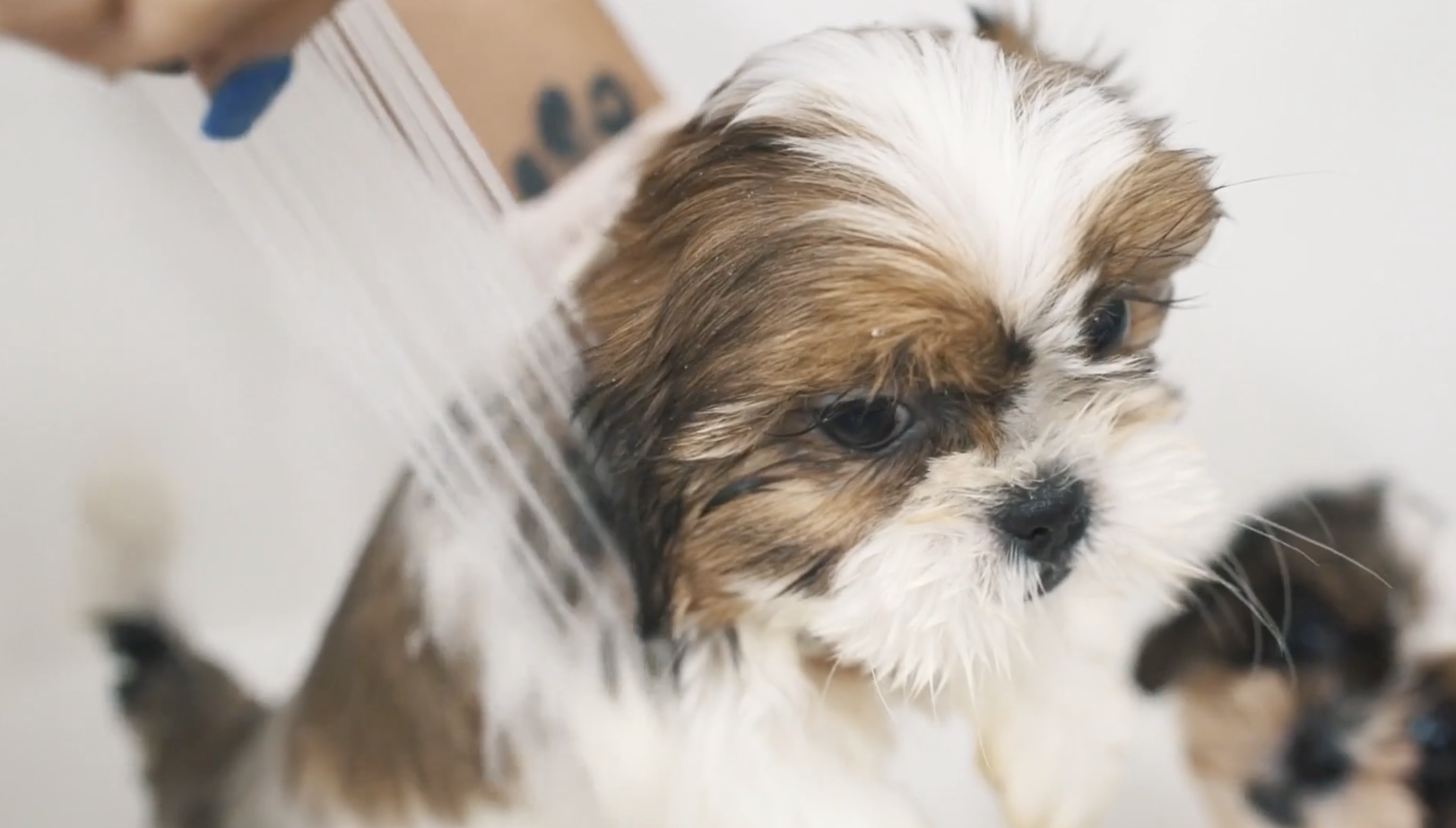
Socialization is worked into normal daily care rather than saved for one grand puppy orientation day.
Puppies experience gentle human contact, littermate play, individual attention, household sounds, different surfaces, environmental changes, simple enrichment, and brief separation suited to their age. Later stages introduce more consistent feeding, rest, activity, and potty routines, along with positive exposure to a carrier or travel crate.
Early grooming also includes gradual ear care, baths, nail trimming, brushing, and examination-style handling. The puppy will still need patient training after homecoming. We are giving them a familiar starting point, not sending them with perfect manners, though we wish we could.
Finding and Reserving Your Puppy at Pilesgrove Pups
21. What information is included on each puppy profile?
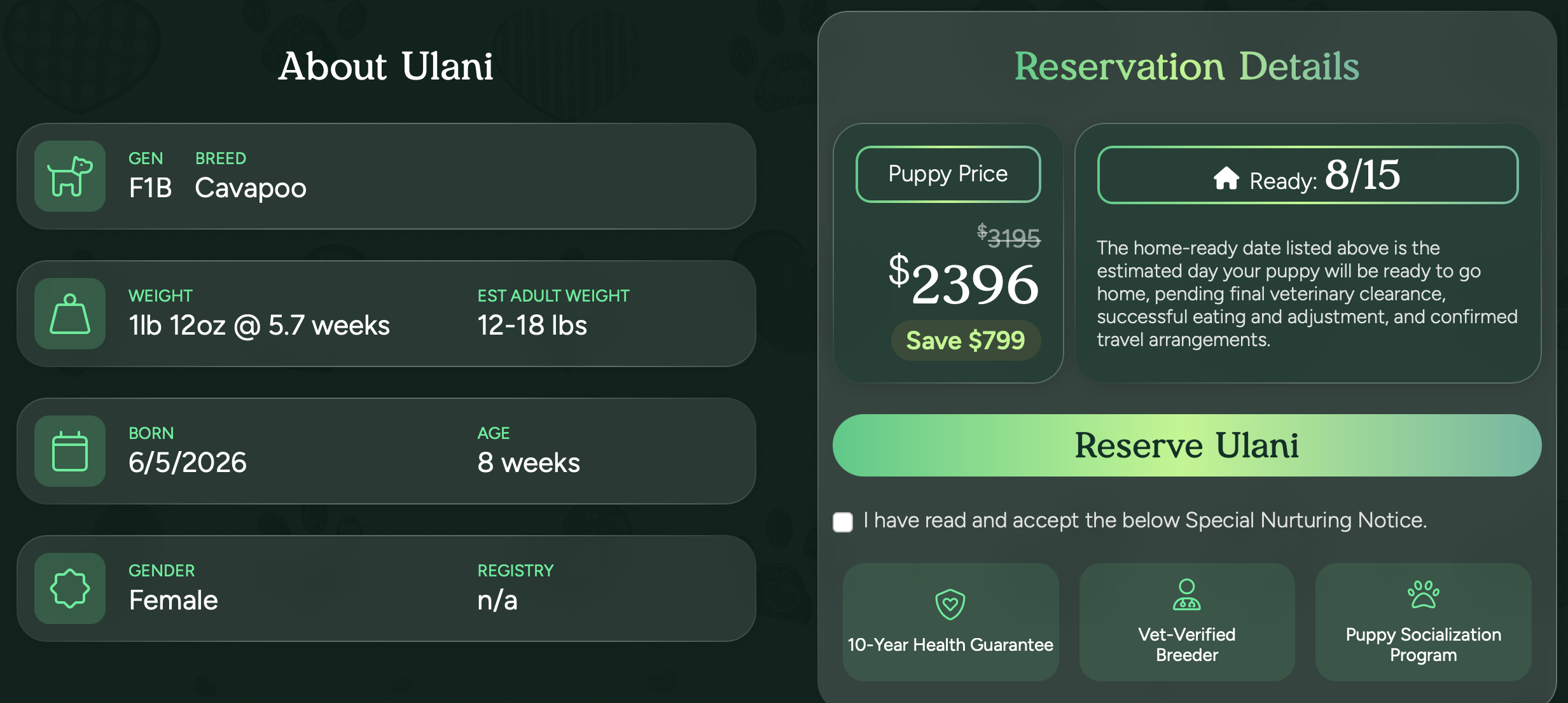
Individual profiles help families get to know the puppy before making a reservation.
Information may include current photos and videos, breed, gender, date of birth, current weight, estimated adult size, parent details, home-ready date, price, health records, vaccination and deworming information, socialization progress, and veterinary checkpoints.
We also share puppy-specific health notes and updates when they are relevant. General health promises are useful, but families deserve information about the actual puppy they are considering.
22. Can I see the puppy through FaceTime or request more photos?
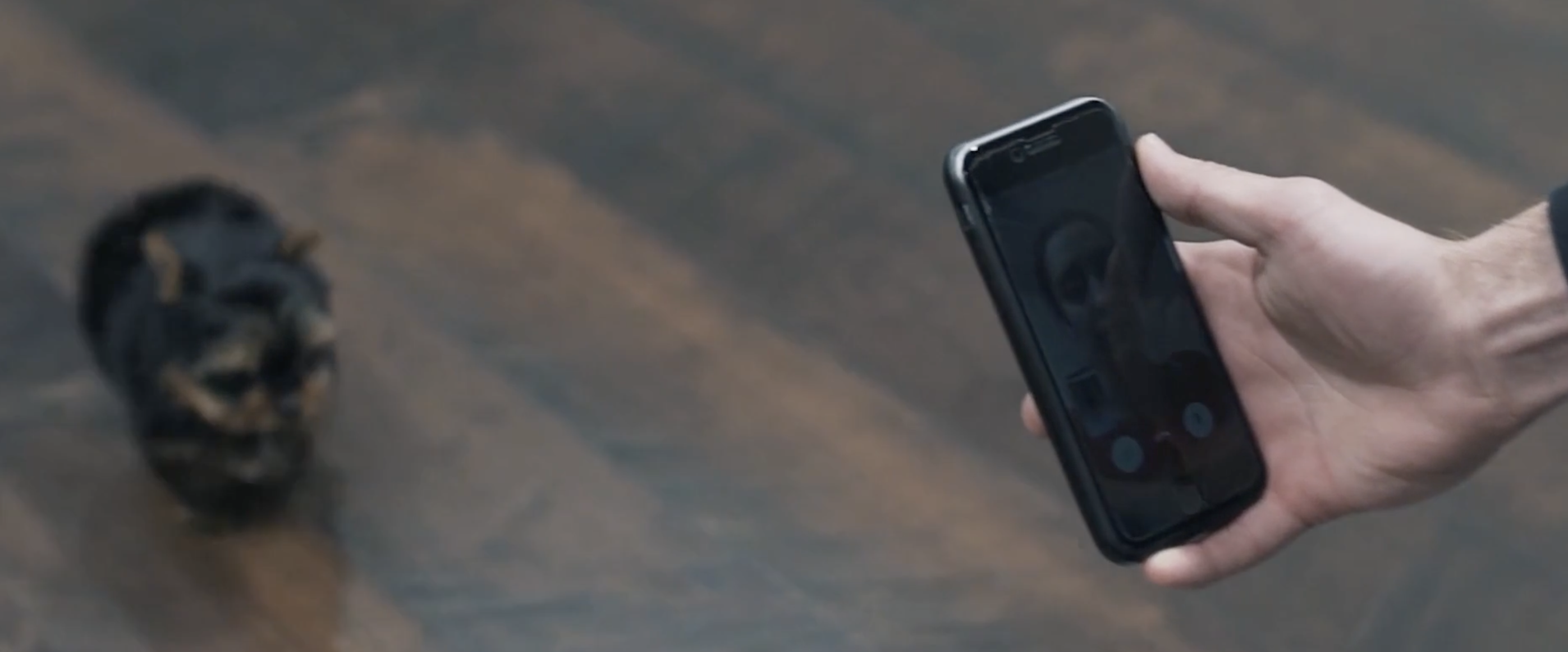
Yes. Families can request additional photos, videos, or a live video conversation when available.
FaceTime can be especially helpful for someone who lives too far away to visit or simply wants to confirm that the puppy in the profile is the puppy they are discussing. It also gives you a chance to watch the puppy move and interact, although puppies have a remarkable talent for becoming sleepy or entirely uncooperative the moment the camera turns on.
Contact our team if you would like to arrange a video conversation or receive more information about a particular puppy.
23. How do I reserve a puppy, and are the costs shown clearly?
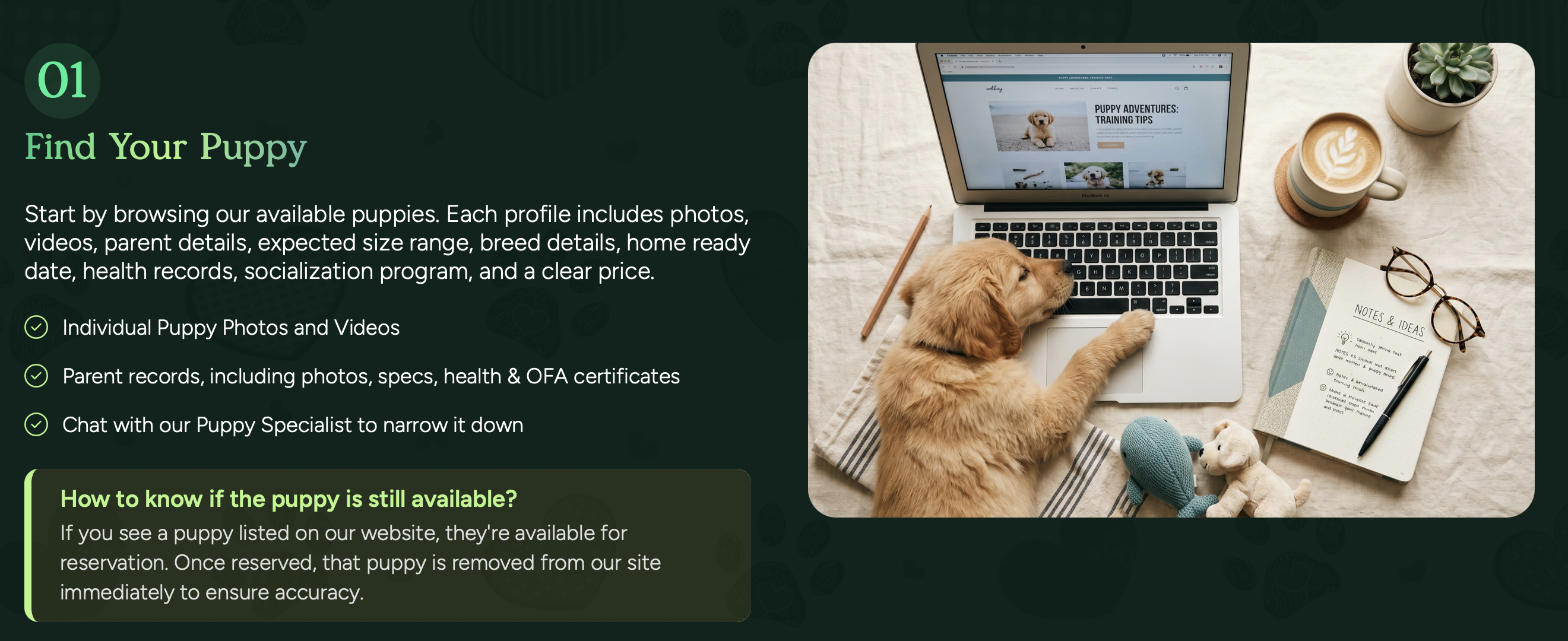
When you find your puppy, select the Reserve option on the puppy’s profile.
The checkout process allows you to choose pickup or delivery, enter your contact information, review pet insurance and available accessories, and pay either a deposit or the full balance. You will receive an email confirmation with your reservation summary.
The puppy’s current price and checkout costs are shown before payment. Prices may vary based on factors such as breed, gender, size category, color, and individual features. A higher or lower price does not change the health standards applied to the puppy.
See How Puppy Reservation Works from First Click to First Cuddle
24. How do I know a puppy is still available?
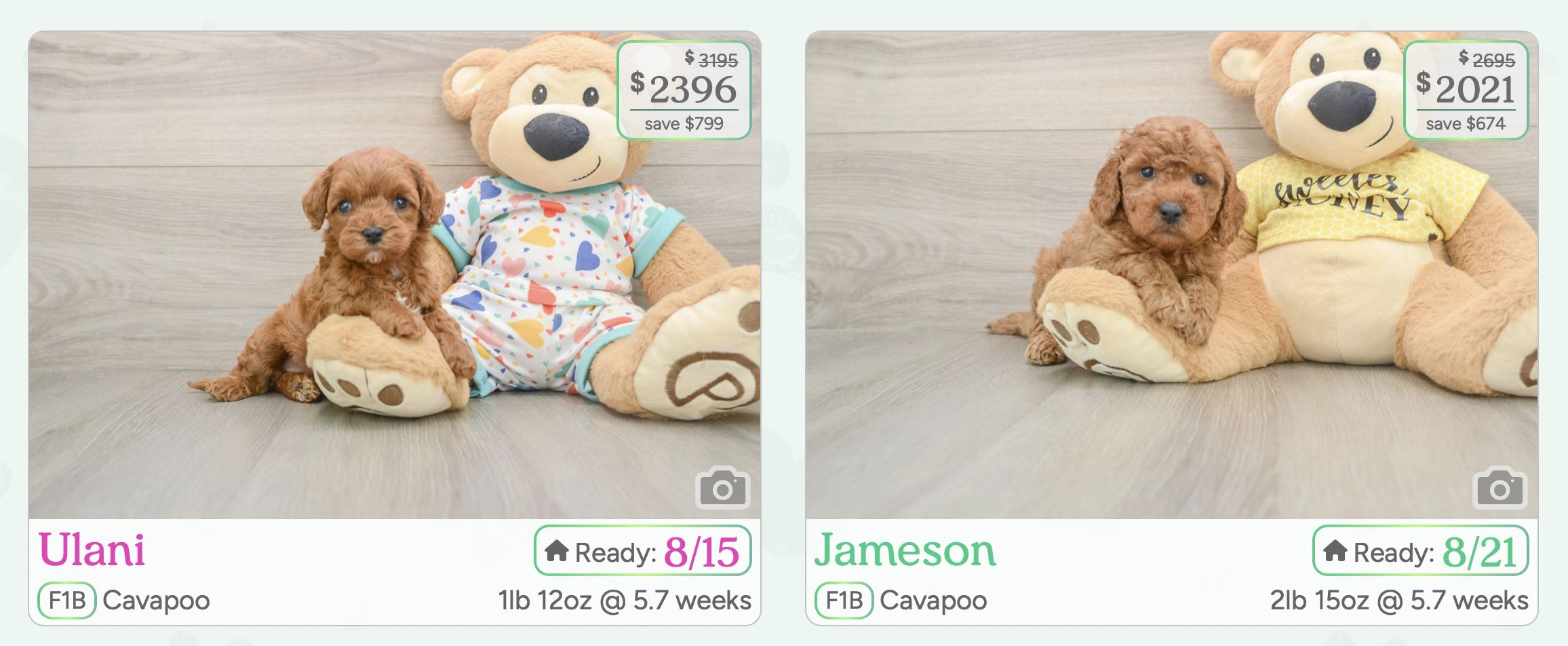
A puppy shown as available on the website can be reserved.
Once a reservation is completed, the puppy is removed from the available listings to keep the website accurate. Puppies can attract interest quickly, so speaking with our team does not hold a puppy unless the reservation process has been completed.
If you are comparing two puppies or trying to coordinate a visit, call or text us. We can explain their current availability and help you understand the next step without rushing you into the wrong match.
25. What happens between reservation day and homecoming?
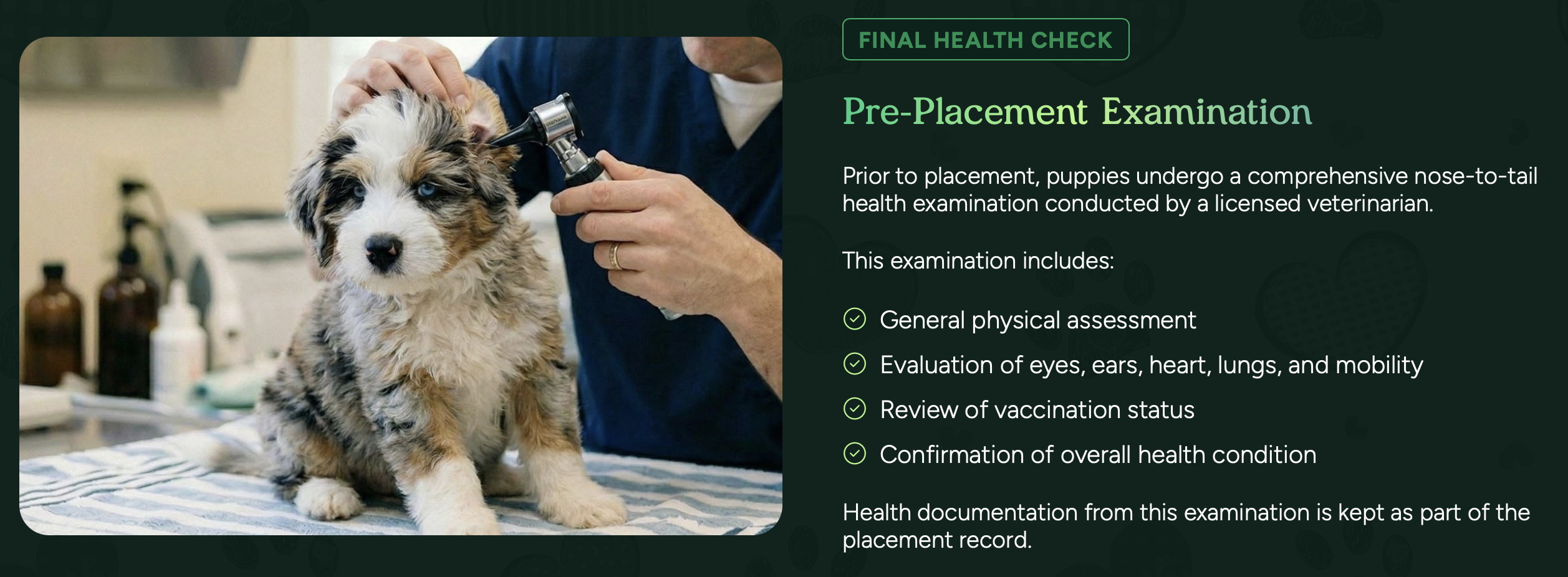
Once your puppy is reserved, our team begins coordinating the remaining health preparation, paperwork, pickup appointment, or delivery plan.
The puppy continues living with their mother and littermates until the appropriate home-ready stage. Development, feeding, socialization, health care, and final veterinary preparation continue during this time.
Families may also request photo or video updates. We know the wait feels longer once the puppy has a name and everyone in the family has checked the calendar fourteen times. A new picture helps make that stretch a little sweeter.
26. Can I pick up my puppy, or do you offer delivery?
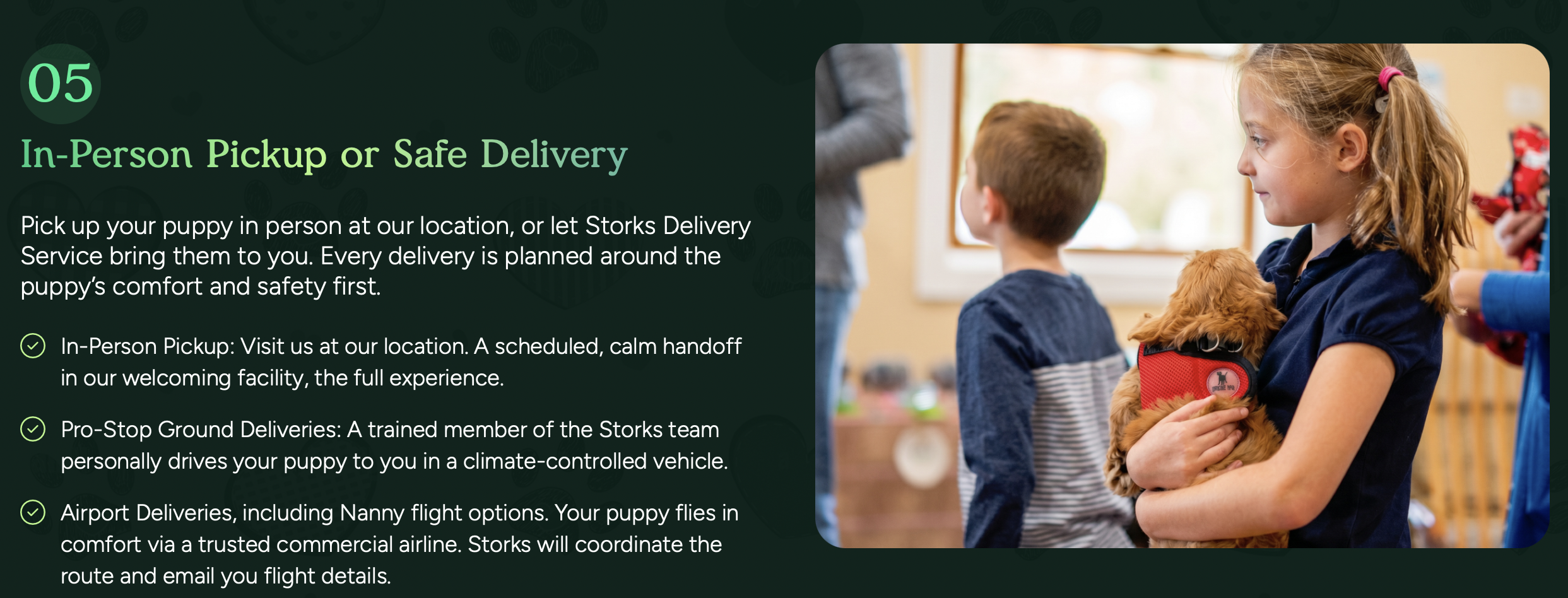
You may pick up your puppy at our Pilesgrove location by appointment or choose coordinated nationwide delivery.
Ground delivery is handled by trained travel staff in a climate-controlled vehicle. Airport delivery and nanny-style flight options may also be available, depending on the destination, route, and timing.
After reservation, the travel team helps coordinate the safest practical option and provides the relevant arrival details. Every route is planned around the puppy’s comfort and care, not simply the fastest way to move from one address to another.
Learn About Pick Up and Delivery Options at Pilesgrove Pups
Homecoming, Health Protection, and Support at Pilesgrove Pups
27. What comes home with my puppy?
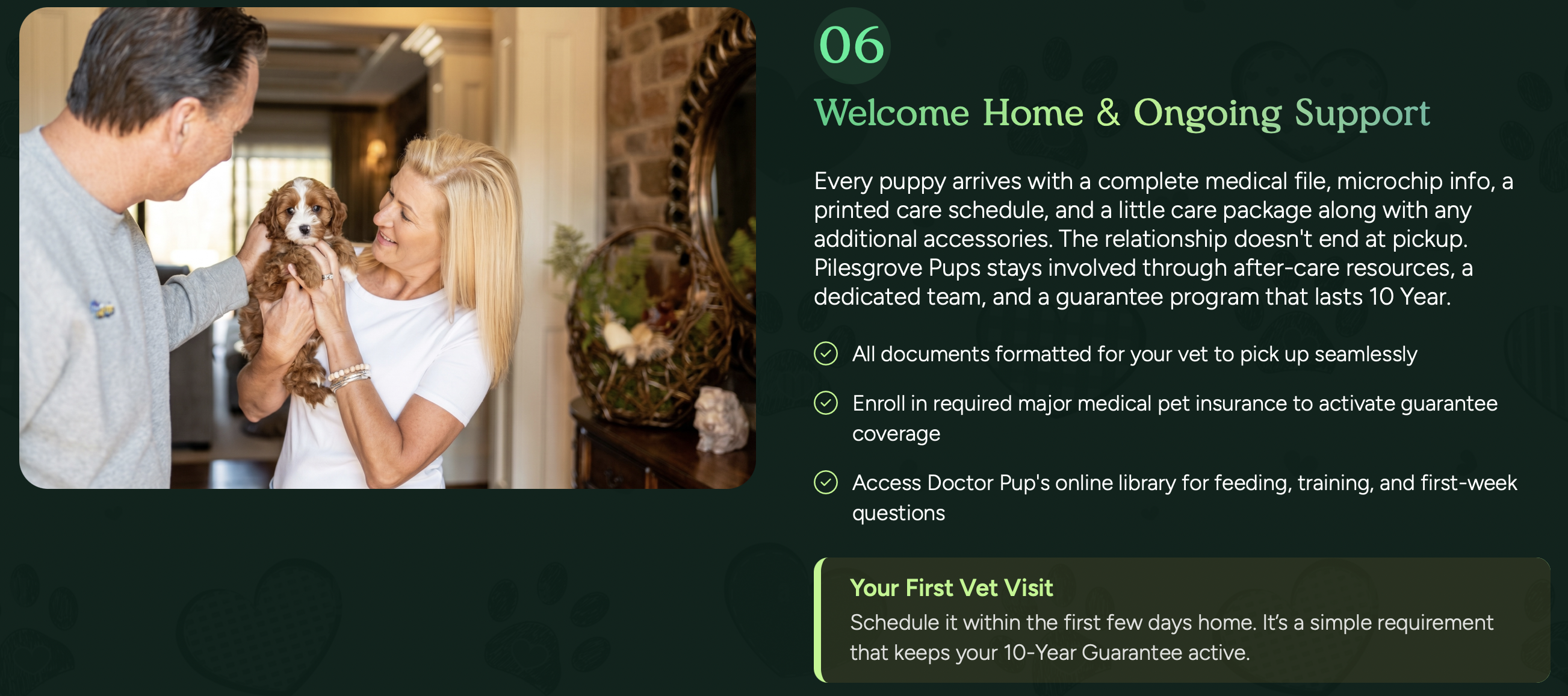
Your puppy comes home with a medical file that helps you and your veterinarian continue care without starting from a blank page.
The documentation includes vaccination history, deworming information, veterinary records, microchip details, and a care schedule. Families also receive transition guidance and a puppy preparation email with practical suggestions for food, housing, toys, supplies, and the first days at home.
The goal is to make homecoming feel organized, even if the puppy has other plans and decides the first evening is an excellent time to reorganize the household schedule.
28. Do I need pet insurance and a veterinary visit after homecoming?
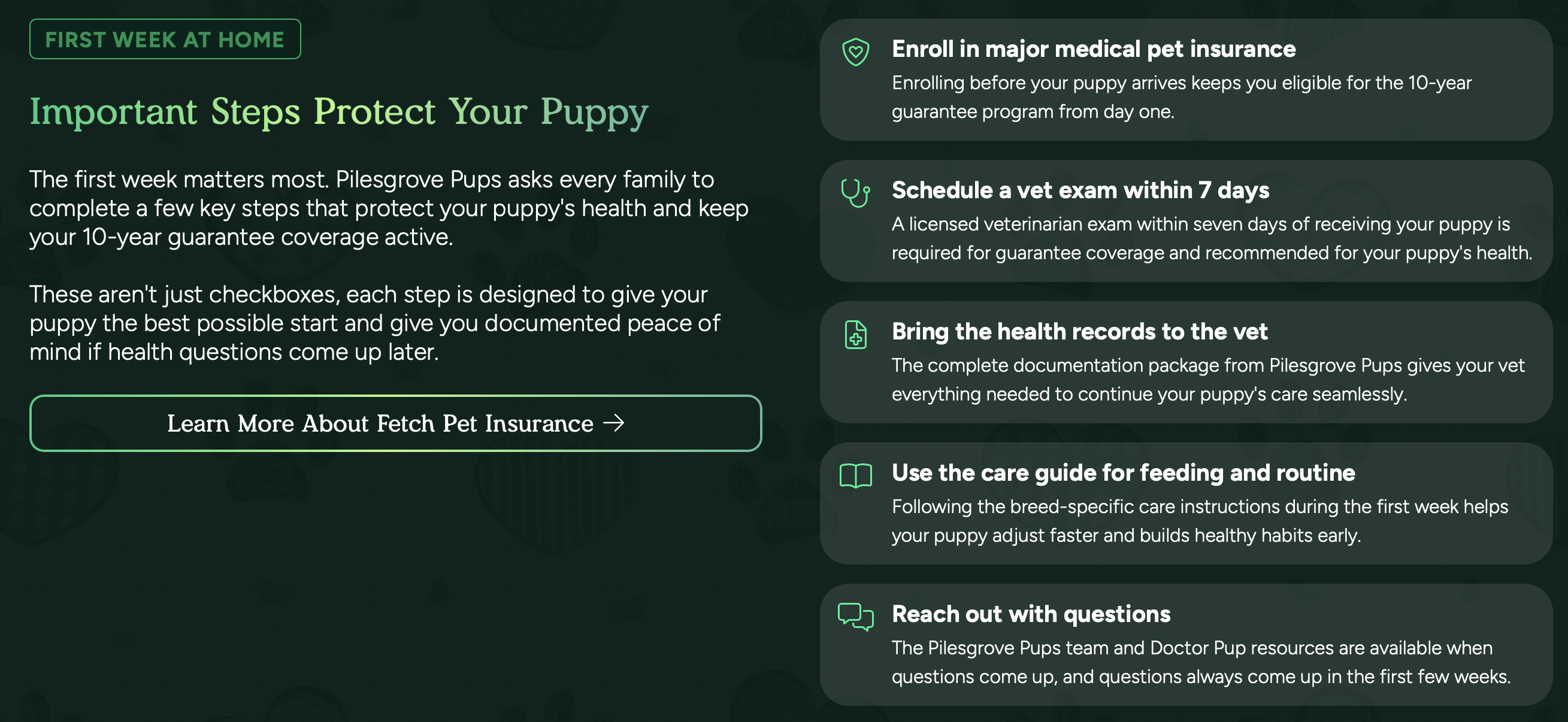
Yes. Major medical pet insurance must be enrolled and active before the puppy arrives to qualify for the applicable health-guarantee programs.
The puppy must also be examined by a licensed veterinarian within seven days of arrival. You may use any licensed veterinarian, and you should bring the complete health and vaccination records provided at homecoming.
The first appointment gives your veterinarian an opportunity to establish an independent baseline, review the care schedule, and help plan future vaccinations and preventive treatment. Insurance and the first vet visit are not substitutes for responsible breeding. They protect the puppy during the next stage of life, when care moves from our hands into yours.
29. What does the 10-year health guarantee cover?
The Pilesgrove Pups health guarantee includes several programs designed for different stages and types of health concern.
The long-term replacement program provides store credit equal to the original reservation price when a licensed veterinarian diagnoses a qualifying hereditary or congenital condition that prevents the dog from living a normal, healthy life. Additional programs include reimbursement of eligible deductibles and co-pays, initial illness protection during the first 10 days, and assistance for qualifying hip dysplasia cases during the early insurance exclusion window.
Certain long-term illnesses are eligible for reimbursement for up to three years, while qualifying hereditary and congenital replacement coverage continues for up to ten years from birth.
Coverage depends on the published requirements, including insurance enrollment, veterinary care, notification deadlines, claim approval, and medical documentation. We encourage every family to read the full terms before reserving. A guarantee should be understood while everyone is happy and healthy.
See the Full Pilesgrove Pups 10-Year Health Guarantee
30. What support is available after my puppy comes home, and what do customers say?
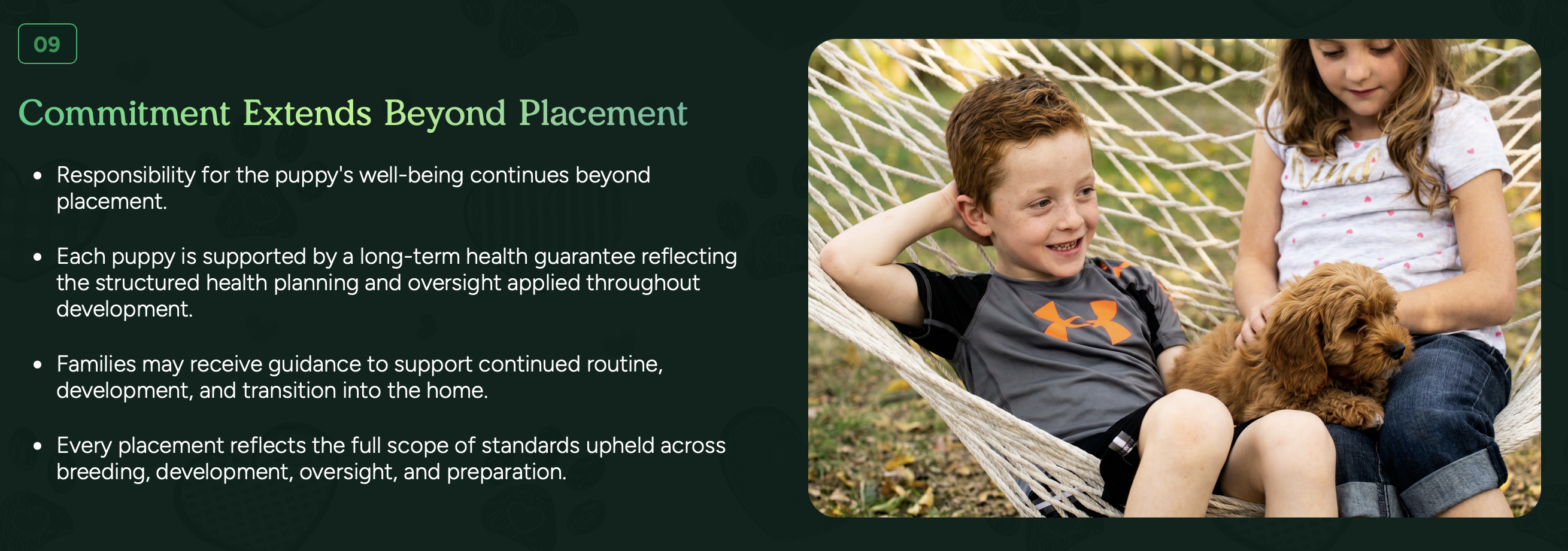
Our relationship with families continues after pickup or delivery.
Puppy Care Agents make follow-up calls and help with feeding, adjustment, routine care, training questions, and health-guarantee concerns. Families also receive complimentary access to DoctorPup, which includes puppy-care videos, educational articles, forum answers, and the option to submit an initial question.
Our on-site care staff supports puppies around the clock while they are with us. For families at home, the puppy health emergency number is available daily from 7 a.m. to 11 p.m. Eastern Time for urgent concerns.
Customer reviews frequently mention communication before homecoming, photo and video updates, patient pickup appointments, smooth delivery, check-in calls, and the comfort of having someone available afterward. We love reading the happy endings, of course. We also love receiving the later photos, when the tiny puppy from the profile has become a fluffy adult who clearly owns the sofa.
Have Another Question? Please Ask Us

Thirty questions cover a lot of ground, but puppies have a way of inspiring thirty more.
You may want to compare two breeds, understand an individual health note, estimate adult size, arrange a visit, discuss delivery, or ask whether a certain puppy would be comfortable with your children or current pets.
Reach out. We would rather answer the small question now than leave you uncertain about a very big decision. Our team can explain what we know, tell you when something is only an estimate, and help you look at the full picture rather than one irresistible photograph.
Choosing a puppy should never feel like being hurried through a transaction. It should feel thoughtful, exciting, personal, and full of the kind of anticipation that has everyone debating names before the reservation is even complete.
At Pilesgrove Pups, we are here for the research, the questions, the homecoming, and all the wonderfully messy puppy days that follow.
What To Read Next
Is Pilesgrove Pups Legit? How to Verify Us
Yes, Pilesgrove Pups is legitimate. We are a real team of dog lovers working from a physical location in Pilesgrove, New Jersey. We work closely with reputable breeders, licensed veterinarians, puppy care specialists, reservation agents, and delivery professionals... Read More
Is Pilesgrove Pups Safe? How We Protect Puppies and Families
Is Pilesgrove Pups safe? Yes. Pilesgrove Pups has a structured program designed to protect puppies and help families reserve with clear information, professional guidance, and meaningful support.
Still, we do not think a question this important deserves... Read More