





Published Tuesday, October 13, 2026 by Pilesgrove Pups
The Havapoo vs Shih Poo comparison is a useful one because the Poodle is already built into both dogs. A Havapoo combines a Havanese with a Toy or Miniature Poodle, while a Shih Poo combines a Shih Tzu with a Toy or Miniature Poodle. Both can therefore inherit Poodle intelligence, curl, trainability, athletic ability, and low-shedding coat traits.
What changes is the other half.
The Havanese adds a lively, social companion with a springy little body, moderate muzzle, and genuine enthusiasm for learning and interaction. The Shih Tzu adds a more substantial toy breed whose history centers almost entirely on companionship, with a shorter facial structure and generally lower exercise needs.
That creates two small Poodle mixes with plenty in common but noticeably different rhythms. A Havapoo may be quicker to turn a walk, toy, or training session into an activity. A Shih Poo can be just as clever, but may be more content once the family settles and may bring a little more independence into training.
Their appearance can overlap heavily too. Both may have wavy or curly coats, dark eyes, floppy ears, and rounded teddy bear haircuts. Underneath the fluff, however, the Havapoo may be lighter and somewhat more athletic, while the Shih Poo can inherit the broader chest, heavier bone, shorter legs, and rounder head of the Shih Tzu.
So this is not really a question of which Poodle mix is smarter or cuter. Both have plenty of each. The better question is whether you prefer the livelier Havanese influence of the Havapoo or the sturdier, more relaxed Shih Tzu influence of the Shih Poo.
Table of Contents
- Havapoo vs Shih Poo at a Glance
- Havapoo and Shih Poo Overview and History
- Havapoo vs Shih Poo Appearance
- Havapoo vs Shih Poo Temperament
- Havapoo vs Shih Poo: Which One Should You Choose?
- Choose a Havapoo if You Want a Lively, Interactive Small Dog
- Choose a Shih Poo if You Want a Sturdier, More Relaxed Companion
- Which Is Smaller: Havapoo or Shih Poo?
- Which Is Calmer: Havapoo or Shih Poo?
- Which Is More Energetic?
- Which Is Easier to Train?
- Which Is Better for First-Time Dog Owners?
- Which Is Better With Children?
- Which Is Better With Other Dogs?
- Which Is Better With Cats?
- Which Sheds Less: Havapoo or Shih Poo?
- Which Needs More Grooming?
- Which Is Better for Allergies?
- Which Is Better for Apartment Living?
- Which Is Better for Seniors?
- Which Is Better for an Active Lifestyle?
- Which Handles Warm Weather Better?
- Which Is More Affectionate?
- Which Is More Predictable in Size and Appearance?
- Havapoo vs Shih Poo: The Final Comparison
Havapoo vs Shih Poo at a Glance
| Trait | Havapoo | Shih Poo |
| Parent breeds | Havanese × Toy or Miniature Poodle | Shih Tzu × Toy or Miniature Poodle |
| General size | Small | Small |
| Common adult weight | About 7–20 pounds, parent-dependent | About 7–20 pounds, parent-dependent |
| Build | Compact to lightly athletic | Compact, sturdy, often heavier for height |
| Coat | Wavy to curly, sometimes silky | Wavy to curly, sometimes straighter and dense |
| Shedding | Usually very low | Usually very low |
| Grooming | Moderate to high | Moderate to high |
| Color range | Very broad | Very broad |
| Eye color | Usually brown or dark brown | Usually brown or dark brown |
| Muzzle | Usually moderate | Moderate to short |
| Energy | Moderate | Low to moderate or moderate |
| Trainability | High to very high | High, but sometimes more independent |
| General personality | Affectionate, cheerful, clever, interactive | Affectionate, playful, cuddly, confident |
| Heat tolerance | Usually better | More variable if muzzle is short |
| Best fit | Someone wanting a lively, interactive small Poodle mix | Someone wanting a sturdy, lower-key small Poodle mix |
These are tendencies rather than guarantees. Neither cross has an official breed standard, and the size of the Poodle parent can shift adult height and weight considerably. Coat, muzzle length, energy, and temperament can also vary from one puppy to another.
Havapoo and Shih Poo Overview and History
The Havapoo and Shih Poo belong to the modern group of small Poodle crosses, but their family trees reach back much further than the crossbreed names themselves.
Both share the Poodle, a breed whose working history centered on water retrieving. That matters because the Poodle contributes much more than curls. It adds athletic ability, quick learning, responsiveness to people, and an instinctive interest in activity.
The difference comes from two old companion breeds. The Havanese developed in Cuba from small Bichon-type ancestors and became a cheerful, intelligent family companion. The Shih Tzu developed through Tibetan and Chinese companion-dog lines and became closely associated with Chinese imperial households.
Both were bred to live with people. They simply developed different styles of doing it.
Havapoo History and Background
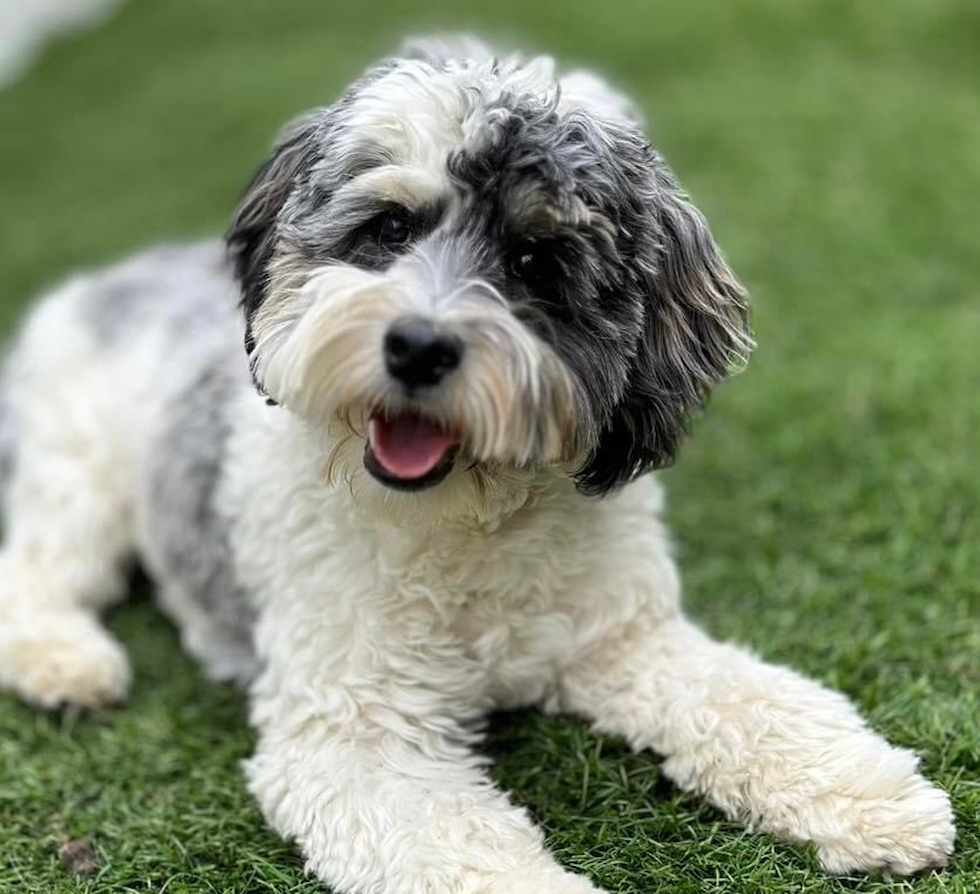
The Havapoo, also called the Havadoodle or Poovanese, combines the Havanese with a Toy or Miniature Poodle. Like many modern Poodle crosses, there is no reliable record of one original breeder who created the first Havapoo or one exact year when the cross began.
The history of its parents is far clearer. The Havanese is Cuba's national dog and the country's only native breed. Its ancestry belongs to an old family of small companion dogs that traveled from Europe and the Mediterranean before becoming established on the island.
Havanese were valued as household companions rather than working dogs. Over time, they developed into sturdy little dogs with outgoing personalities, considerable intelligence, and a playful quality that remains one of the breed's defining traits.
The Poodle introduces a very different historical background. Beneath the elaborate show coat is an athletic retriever that was expected to swim, locate birds, retrieve game, and respond closely to human direction.
Toy and Miniature Poodles preserve that mental ability in smaller bodies. They are agile, responsive dogs that can learn complex behaviors and enjoy having something to do.
The Havapoo therefore combines two breeds that are both clever and people-focused, but the Poodle can push the partnership toward more structured activity. The result is usually still very much a companion dog, just one with plenty of interest in training, games, and involvement.
Shih Poo History and Background
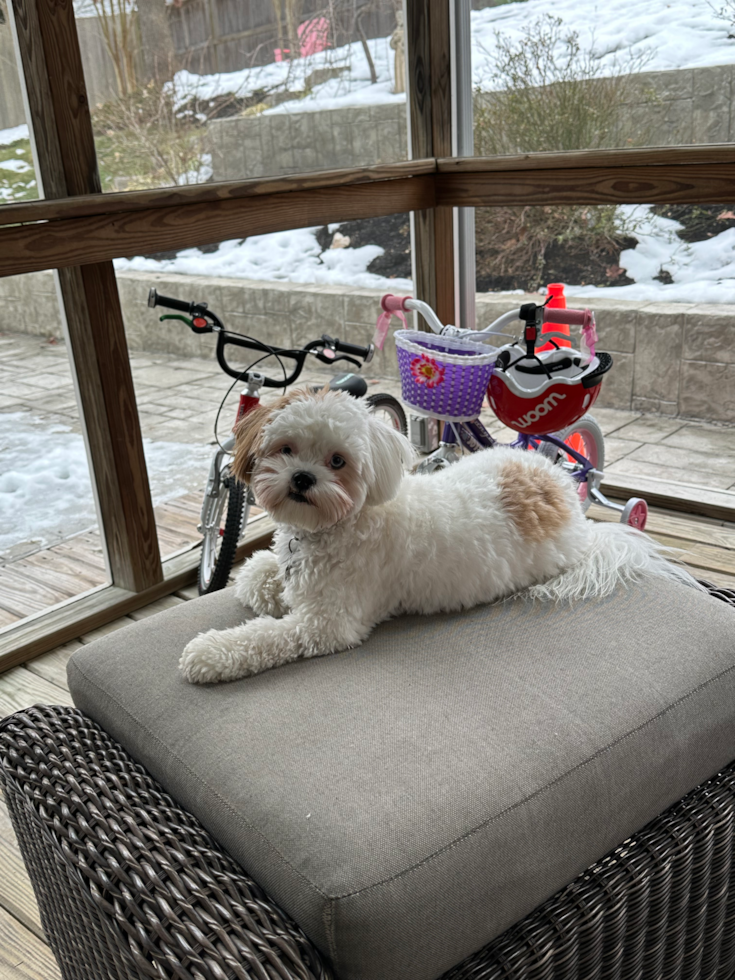
The Shih Poo, sometimes written Shi Poo or Shihpoo, combines a Shih Tzu with a Toy or Miniature Poodle. It also emerged during the modern interest in small companion crosses, and claims about one exact origin date or creator are difficult to verify.
Its parent breeds could hardly have more different original settings.
The Poodle came from an active retrieving tradition, while the Shih Tzu developed around palace life and human companionship. Shih Tzu ancestors were connected with Tibet and later became treasured dogs within Chinese imperial households.
Their role was not to retrieve game, guard farms, or move livestock. They were bred primarily to live close to people.
That history remains visible in the modern Shih Tzu. It is affectionate, outgoing, playful, and alert, but its exercise requirements are modest compared with active sporting and working breeds.
Crossing the Shih Tzu with a small Poodle adds more athletic ability and trainability while retaining a strong companion foundation. This is why Shih Poos can feel more interactive than a typical Shih Tzu without necessarily becoming highly active dogs.
The combination also introduces considerably more coat variation. The long flowing Shih Tzu coat can meet Poodle curl in several different ways, producing everything from soft waves to dense curls.
Havapoo vs Shih Poo Appearance
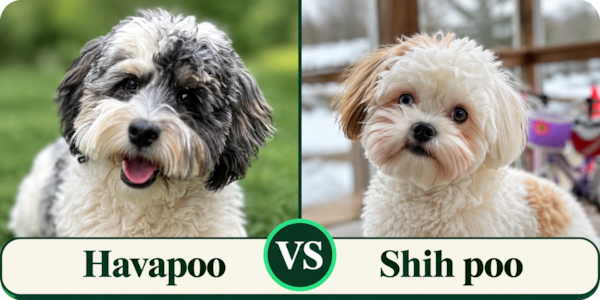
A Havapoo and Shih Poo can be remarkably difficult to distinguish from a photograph. Both can have thick facial furnishings, floppy ears, dark eyes, wavy coats, and rounded teddy bear trims. The differences become clearer once you look underneath the hairstyle.
Havanese have moderate bone, somewhat longer bodies, and a lively, springy structure. Shih Tzu are compact and substantial, with heavier bone, broader chests, rounder heads, and much shorter muzzles. The shared Poodle can modify either one, but those different foundations still influence the crosses.
Havapoo Appearance
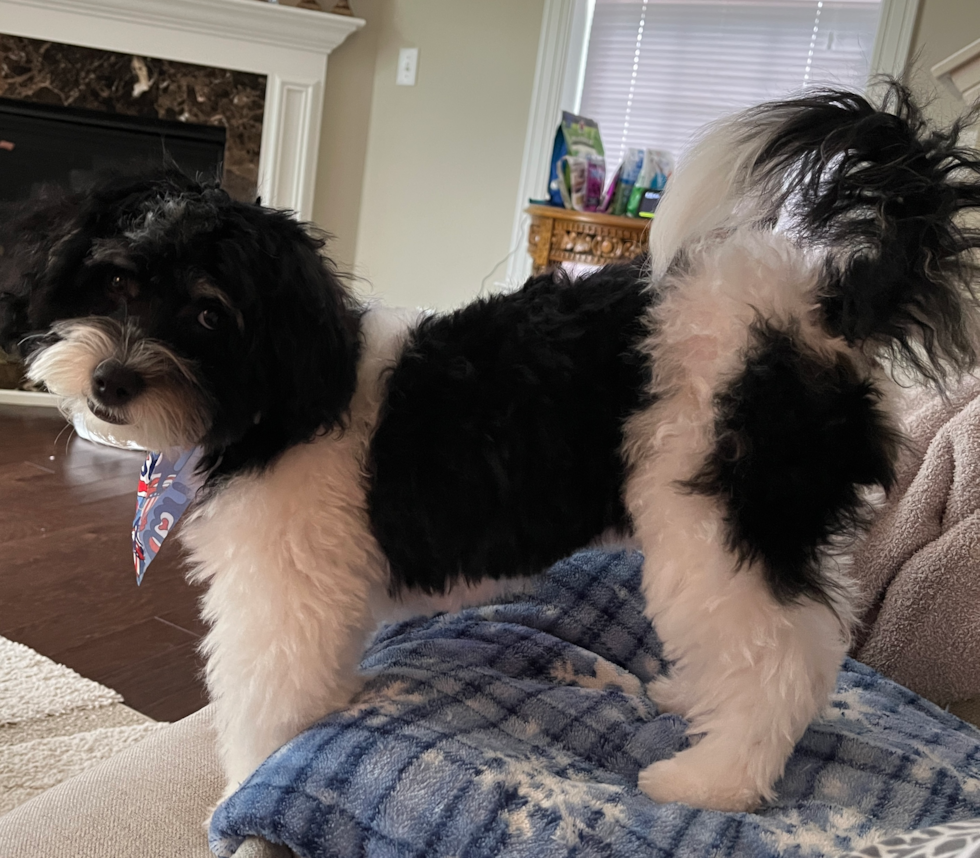
Havapoos remain small dogs, but their exact size depends greatly on whether the Poodle parent is Toy or Miniature. Havanese themselves stand 8.5 to 11.5 inches and weigh around 7 to 13 pounds.
A Havapoo from a Toy Poodle may stay very close to that range or become even more petite. A larger Miniature Poodle can add height, leg length, and adult weight.
The body can be slightly longer than tall when Havanese structure dominates or more square when the Poodle side comes through strongly. Either way, the dog should feel light but capable rather than exceptionally fragile.
Havapoo Coat Type and Texture
The Havapoo coat can range from soft waves to substantial curls. Havanese contribute a long, light, wavy double coat, while Poodles contribute dense curl. Many Havapoos develop the loose fleece-like wave associated with small Doodle breeds. Others grow much tighter curls, especially when Poodle influence is strong.
A Havapoo that favors the Havanese can have a silkier coat with more natural movement. One that favors the Poodle may have hair that stands farther away from the body and holds a rounded haircut more easily.
Adult texture can differ from puppy texture. A soft, loose puppy coat may gain curl and density as mature hair develops.
Havapoo Colors and Markings
The Havapoo has an extremely broad color range because both parent breeds come in numerous shades and patterns. White, cream, apricot, red, gold, brown, chocolate, black, gray, silver-related shades, and combinations involving white can all appear. Some dogs are nearly solid, while others have large contrasting patches.
Color can also change with maturity. Poodle ancestry may contribute fading genes, and some Havanese colors naturally change as adult coat replaces puppy hair. A dark puppy can therefore become significantly lighter during the first few years. Choosing solely by puppy color can produce a surprise later.
Havapoo Eyes and Facial Structure
Most Havapoos have dark brown or brown eyes with a warm, alert expression. Both Havanese and Poodles have moderate muzzle lengths, so the Havapoo generally keeps a conventional facial structure. Strong Poodle influence may narrow the muzzle, while a Havanese-like dog can appear broader and softer through the face.
Haircut changes the appearance dramatically. Facial furnishings around the cheeks and muzzle can create a round teddy bear look even when the actual skull is relatively refined. This moderate facial structure becomes one of the more practical differences between the Havapoo and Shih Poo.
Havapoo Build and Size
The Havapoo usually has the lighter and somewhat more athletic frame in this comparison. Havanese are sturdy but moderately boned, while Toy and Miniature Poodles are agile, smoothly muscled dogs. Some Havapoos inherit longer Poodle legs and a squarer outline. Others remain low and compact like the Havanese.
This physical flexibility makes the cross well suited to people who want a small dog capable of doing more than short neighborhood walks. Healthy adults can enjoy active play, longer outings, light hiking, and plenty of family adventures.
The tradeoff is less size predictability. Parent measurements matter when a particular adult size is important.
Havapoo Shedding
Most Havapoos shed very little visibly. Both parent breeds contribute coat traits that keep a large amount of loose hair within the coat rather than dropping it across the home. A curly Havapoo may leave almost no obvious hair on furniture. A looser Havanese-style coat may release somewhat more during brushing and normal coat turnover.
That retained hair creates the grooming tradeoff. What does not fall onto the floor can remain in the coat and contribute to mats. Low shedding also does not guarantee that someone with dog allergies will not react.
Havapoo Grooming Needs
Havapoos need regular grooming regardless of how little hair they leave around the house. Curly coats can develop mats close to the skin, while wavy coats tend to tangle around the ears, legs, collar area, and tail. Brushing needs depend heavily on coat length, but fluffy long styles require much more work than short pet trims.
A comb is useful after brushing because it reveals knots hiding beneath the outer coat. Professional grooming every several weeks is common. A short teddy bear trim preserves the fluffy appearance while keeping home maintenance realistic.
Shih Poo Appearance
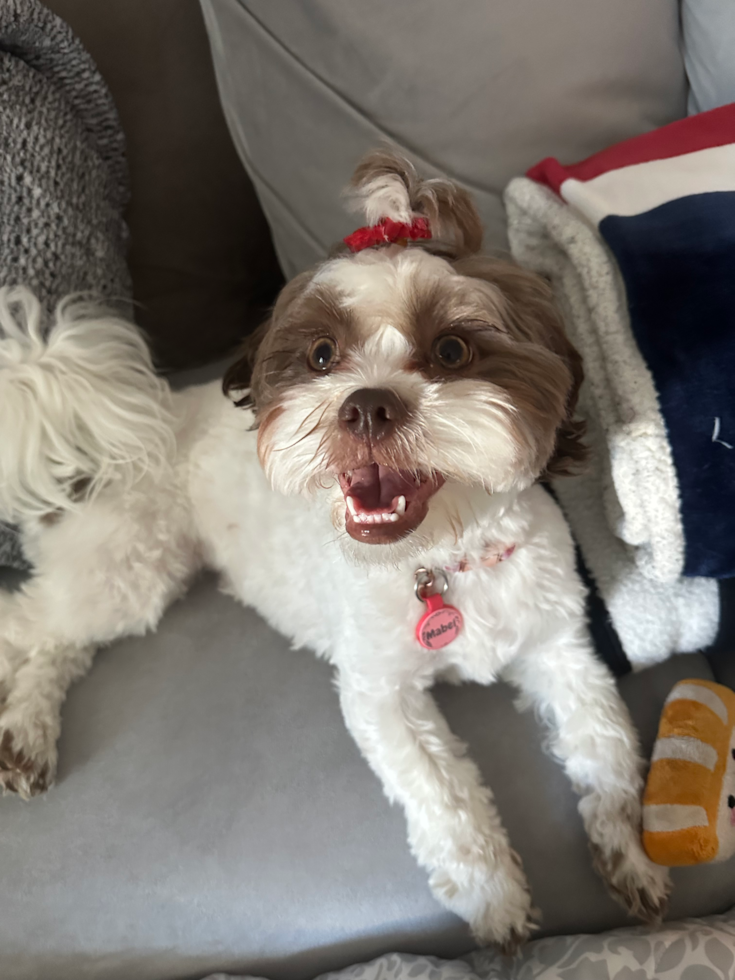
The Shih Poo is also a small dog, with adult size shaped by both the Shih Tzu and the Poodle parent. Shih Tzu stand roughly 8 to 11 inches and weigh around 9 to 16 pounds, which gives the cross a somewhat heavier starting point than the Havanese side of a Havapoo. A Toy-Poodle Shih Poo may still remain very small. Miniature Poodle ancestry can add more height and create a dog that looks noticeably leggier than the traditional Shih Tzu.
The largest structural difference is substance. Shih Tzu are solid dogs with broad chests and considerable body weight for their height. A Shih Poo can inherit that heavier little frame even when the coat makes it difficult to see.
Shih Poo Coat Type and Texture
Shih Poo coats can be straight, wavy, or curly. The Shih Tzu contributes a long, dense double coat, while the Poodle contributes strong curl. Some Shih Poos grow loose waves that look very similar to Havapoo coats. Others develop tight curls across the body but retain straighter or silkier hair around the ears and tail.
Dogs that inherit more Shih Tzu coat can feel particularly dense. The hair may be soft and plush rather than light and flowing. Dense texture has practical consequences. A fluffy Shih Poo can hide substantial tangling underneath the surface coat, especially when grooming is inconsistent.
Shih Poo Colors and Markings
Shih Poos come in a very wide range of colors because both parent breeds contribute considerable variety. Possible shades include black, white, cream, gold, brown, chocolate, red, apricot, gray or silver-related tones, and combinations of several colors. White markings and darker masks can appear as well.
Shih Tzu ancestry can produce especially striking multicolor patterns, while the Poodle contributes additional solid shades and the possibility of fading. A puppy's color may change substantially with age. Dark markings can soften, and rich shades may become lighter as the adult coat develops.
Shih Poo Eyes and Facial Structure
The Shih Poo usually has dark expressive eyes, but facial structure varies much more than in the Havapoo. Shih Tzu have large, round, widely spaced eyes and a short, broad muzzle. The ideal Shih Tzu muzzle is compact while still having broad, open nostrils and balanced structure.
A Shih Poo can inherit a noticeably longer Poodle muzzle, a short Shih Tzu-style face, or something between those two shapes. This is more than a cosmetic difference. Dogs that inherit a very short face may tolerate heat and prolonged activity less comfortably than dogs with more nose length.
Shih Poo Build and Size
The Shih Poo usually has the more substantial body in this comparison. Shih Tzu are compact, solid dogs that carry considerable weight on a short frame. Poodle influence can lengthen the legs and lighten the body, so not every Shih Poo feels stocky. Some look surprisingly athletic once their coat is clipped short. Others remain close to the Shih Tzu outline, with shorter legs, a broad chest, and a heavier body than their height suggests.
This can appeal to people who want a genuinely small dog without the delicate feel of some tiny Poodle crosses.
Shih Poo Shedding
Shih Poos are generally low shedders. The Poodle contributes its tightly curled coat, while Shih Tzu also release less visible hair around the home than many conventional shedding breeds. A curly Shih Poo may leave very little hair on furniture. Straighter dogs can release somewhat more, particularly during brushing.
As with the Havapoo, low shedding does not remove grooming responsibilities. Loose strands caught in a dense coat can create mats instead of landing on the floor. There is also no reason to guarantee allergy compatibility based solely on the Poodle parent.
Shih Poo Grooming Needs
The Shih Poo can be every bit as demanding to groom as the Havapoo, and some coats require even more facial maintenance. Curly hair needs thorough brushing and combing. Dense Shih Tzu-influenced hair can tangle rapidly around the ears, legs, neck, and underside.
The face deserves particular attention. Large eyes, heavy facial furnishings, and a shorter muzzle can allow tears, moisture, and food to collect around the eyes and mouth. Many owners choose a short puppy or teddy bear cut. It makes the coat easier to manage and allows the face to stay cleaner without removing the soft look people love.
Havapoo vs Shih Poo Appearance Comparison: What Is the Difference?
The two crosses overlap heavily in coat and color, so body structure and facial shape are more useful differences than fluffiness.
The Havapoo generally has a lighter, somewhat more athletic foundation. Its Havanese side contributes moderate bone and a springy body, while the Poodle can add more leg and refinement.
The Shih Poo can inherit greater physical substance from the Shih Tzu. A dog may remain short while carrying more bone, a broader chest, and greater body weight.
Muzzle length provides another distinction. Havapoos generally retain moderate facial proportions because both parents have conventional muzzle lengths. Shih Poos have a wider range because one parent is short-faced.
Coat cannot reliably identify the dog. A curly Shih Poo can look almost identical to a Havapoo after grooming, while a straight-coated example of either cross may strongly resemble its non-Poodle parent.
Havapoo vs Shih Poo Temperament
The Poodle gives both crosses intelligence, trainability, and an interest in human interaction. That shared influence narrows the temperament gap considerably.
The differences come from the Havanese and Shih Tzu.
Havanese are lively, cheerful dogs with a reputation for enjoying training and social interaction. Shih Tzu are also affectionate and playful, but their historic role as palace companions created a temperament that generally requires less physical activity and can bring a more independent approach to training.
The result is a comparison between two clever companion dogs with slightly different priorities.
Havapoo Temperament
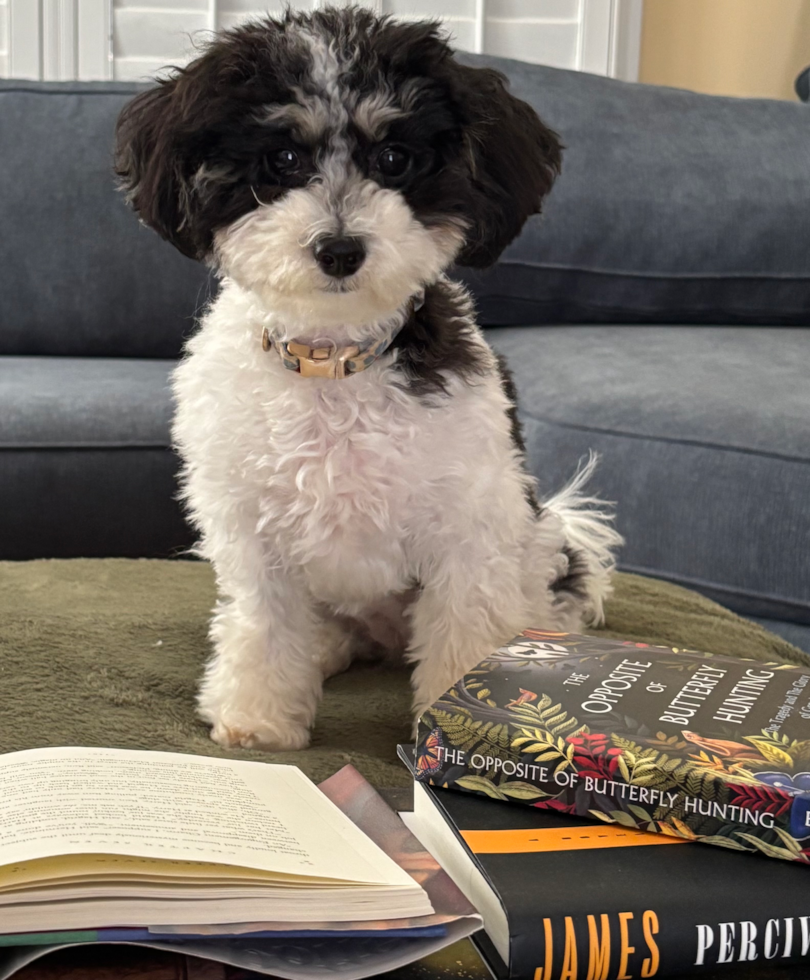
The Havapoo tends to be affectionate, lively, and highly interactive. Both parent breeds notice their people closely and enjoy learning, so the cross can become very responsive to household routines. Many Havapoos like doing things with their owners. Walks, games, tricks, puzzle toys, and short training sessions can all become highlights of the day.
This does not make them demanding working dogs. Their energy remains manageable for most households, but they may seek more active interaction than a typical Shih Poo.
Havapoo Intelligence and Training
The Havapoo starts with intelligence from both sides. Havanese are bright, trainable companion dogs, while Poodles have a particularly strong reputation for learning speed and versatility. That combination can make training feel very rewarding. Basic manners may come quickly, and many dogs enjoy moving into tricks, scent games, retrieving, or simple obstacle exercises.
Consistency matters because the same dog that learns “sit” in a few repetitions can also learn that scratching the cabinet causes someone to produce a treat. A Havapoo benefits from owners who enjoy interacting with a clever dog rather than simply appreciating intelligence as a description on a breed profile.
Havapoo Energy Level
The Havapoo generally has moderate energy. Havanese bring playfulness and Poodles add athletic ability, but neither parent turns the cross into a dog that needs hours of vigorous exercise. Daily walks, interactive play, and a little mental activity satisfy many adults. The dog may appreciate more variety than raw mileage.
A Havapoo might be happier with a walk that includes sniffing and a five-minute training session than with an extra half hour of repetitive pavement. Puppies and adolescents naturally have higher energy. Mature dogs usually develop a better balance between activity and relaxation when calm behavior has been encouraged from the beginning.
Havapoo Sociability and Affection
Havapoos tend to be highly social with their families. The Havanese side adds an outgoing companion temperament, while Poodles contribute close relationships with their people. Many Havapoos are interested not only in being near someone but in being involved with whatever that person is doing. They can become enthusiastic participants in household life.
Good socialization can extend that confidence to visitors and new environments. Individual dogs still vary, but the cross has a strong foundation for friendliness. Close attachment also makes independence practice important. A dog that spends every minute beside someone may struggle when ordinary life eventually requires a few hours apart.
Havapoos With Children
Havapoos can make excellent companions for children when their size and temperament suit the household. Older children may particularly enjoy the cross because training can become a shared activity. Tricks, gentle fetch, search games, and walking give the relationship more depth than simply petting the dog.
Very small Havapoos need careful handling around young children. A Toy-Poodle pairing can produce a petite dog that is vulnerable to accidental falls or rough play. A somewhat larger Havapoo may feel sturdier, but respectful handling remains essential.
Havapoos With Other Dogs and Pets
The Havapoo generally fits well into multi-pet homes. Havanese are social companion dogs, and Poodles adapt readily when properly introduced and socialized. Another playful dog can make an excellent companion if size and activity levels match.
Cats can also live comfortably with Havapoos. Some dogs may enjoy chasing movement, but calm early introductions and clear boundaries usually prevent this from becoming a major issue. Smaller pets still deserve sensible management. Friendly curiosity from a dog can be stressful or unsafe for a tiny animal even without strong prey drive.
Havapoo Barking and Alertness
Havapoos are alert enough to notice visitors, outdoor activity, and unusual sounds. Havanese can make effective little watchdogs, and Poodles are attentive dogs as well. This does not automatically translate into excessive barking. Early habits have a large effect. If the dog receives attention every time it barks at the window, it has learned that barking works. Rewarding quiet observation gives that clever brain a different pattern to repeat.
Enough physical and mental activity also helps prevent boredom from turning neighborhood surveillance into the dog's main hobby.
Shih Poo Temperament
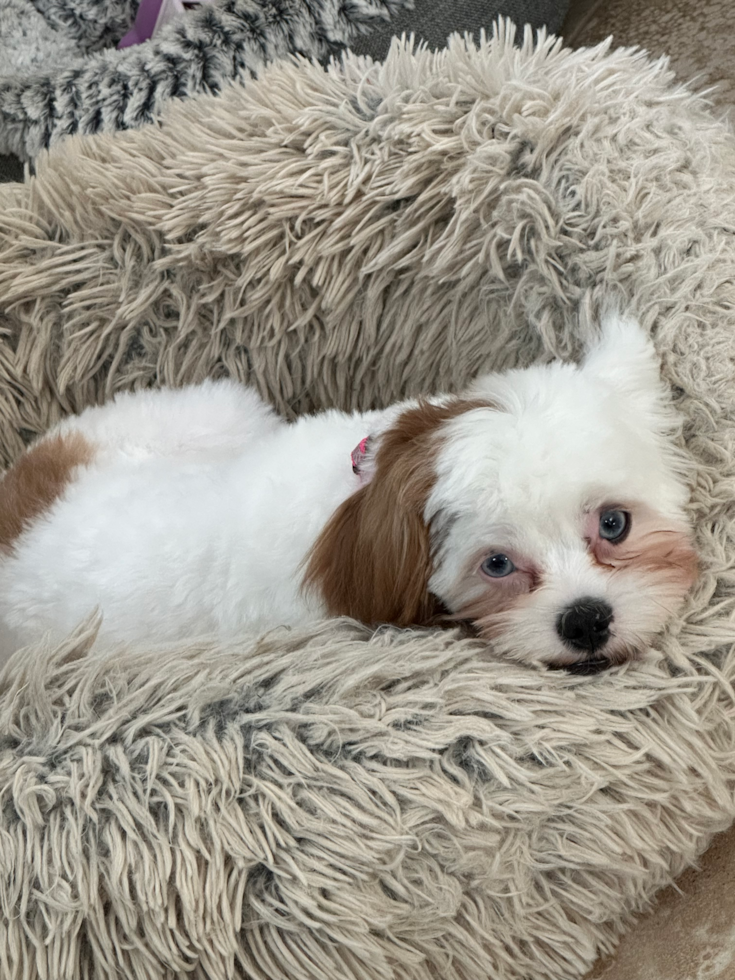
The Shih Poo can be affectionate, playful, clever, and deeply attached to family. Like the Havapoo, it receives intelligence and trainability from the Poodle side. The Shih Tzu changes the overall pace.This parent breed was developed primarily for companionship and is usually satisfied with modest exercise. It can also bring a more independent attitude, which means the Shih Poo may learn quickly without necessarily feeling obligated to perform every request on command.
That combination can create a very appealing companion for people who want intelligence without quite as much activity.
Shih Poo Intelligence and Training
Shih Poos are intelligent dogs, but intelligence and eagerness are not exactly the same thing.
The Poodle side may help the dog understand new behaviors rapidly. Shih Tzu influence can add enough independence that motivation becomes particularly important. A Shih Poo may know what “come” means and still glance at the owner as though the terms of the arrangement require further discussion.
Positive reinforcement works much better than confrontation. Short sessions, valuable rewards, and clear consistency usually produce better results than drilling the same behavior repeatedly.
Shih Poo Energy Level
The Shih Poo generally falls in the low-to-moderate or moderate-energy range. Poodles contribute athletic ability and enthusiasm for activity, while Shih Tzu require relatively modest exercise. The finished dog commonly enjoys daily walks and play without demanding an especially active household.
Some Shih Poos are lively little characters, particularly during puppyhood. Their energy may arrive in enthusiastic bursts followed by considerable interest in resting near the family. This rhythm can work well for people who enjoy walking and playing with a dog but do not want exercise to become one of the biggest commitments of ownership.
Shih Poo Affection and Companion Style
The Shih Poo has companionship coming from both sides. Poodles form close bonds with people, while Shih Tzu were developed specifically to live beside humans. Many Shih Poos are extremely cuddly. They can enjoy following family members around the home but may be especially content once they secure a comfortable spot near their favorite person.
Some are more socially selective than a very outgoing Havapoo. That does not make them unfriendly. They may simply take a little more time to decide that a new person deserves full access to the inner circle. As with any companion cross, early positive social experiences help build confidence.
Shih Poos With Children
Shih Poos can work very well in families with respectful children. Shih Tzu ancestry can add physical substance, so some Shih Poos feel sturdier than very petite Havapoos. That can be useful in a family setting without making the dog large or difficult to handle.
The short-faced side of the family also deserves consideration. Prominent eyes and compact facial structure should make adults especially cautious about rough play around the head and face.
Older children can enjoy teaching tricks and playing games, while the dog's companion nature makes quiet cuddle time equally appealing.
Shih Poos With Other Dogs and Pets
Shih Poos usually have good potential with other dogs and cats. Neither parent introduces strong modern herding instincts, and the Shih Tzu has centuries of history centered on indoor companionship.
Individual social confidence varies. Some Shih Poos enthusiastically greet other dogs, while others are happiest with a small circle of familiar companions.
Cats can make very good housemates when the puppy learns respectful behavior early. Matching personalities remains important. A calm Shih Poo may find a relentless canine playmate exhausting even if both dogs are perfectly friendly.
Shih Poo Barking and Alertness
Shih Poos can be alert and vocal about visitors, hallway sounds, or unusual activity around the home.
The Poodle contributes awareness, while Shih Tzu are lively little dogs that notice what is happening around them despite their relaxed exercise requirements.
Barking habits are highly trainable when addressed early. A calm cue followed by a reward for quiet behavior can prevent one alert bark from becoming several minutes of commentary.
Separation and boredom also matter. A dog with enough companionship, exercise, and confidence alone has less reason to react to every sound as the day's major event.
Havapoo vs Shih Poo Temperament Comparison: What Is the Real Difference?
The key difference is not intelligence because both have a Poodle parent and both non-Poodle parents are capable little companion dogs. The real distinction is the style that surrounds that intelligence.
The Havapoo generally brings more liveliness and training enthusiasm. Havanese are playful, social dogs with an interest in interaction, which can reinforce the Poodle's appetite for learning and activity.
The Shih Poo generally brings more relaxed companionship and independence. Shih Tzu can soften the Poodle's activity level while adding a temperament that may be affectionate without always being eager to repeat the same exercise.
For many owners, that difference is more meaningful than a comparison of raw energy. Both can walk, play, learn tricks, and cuddle. The question is whether you want the dog to lean a little more toward doing things with you or toward being with you.
Havapoo vs Shih Poo: Which One Should You Choose?
The Havapoo and Shih Poo fit many of the same homes. Both are small enough for apartments, both can shed very little, both require regular grooming, and both form strong relationships with their families.
Their shared Poodle ancestry also means both can be highly trainable. The choice becomes clearer when you look beyond the Poodle and decide which companion breed adds the traits you prefer.
Choose a Havapoo if You Want a Lively, Interactive Small Dog
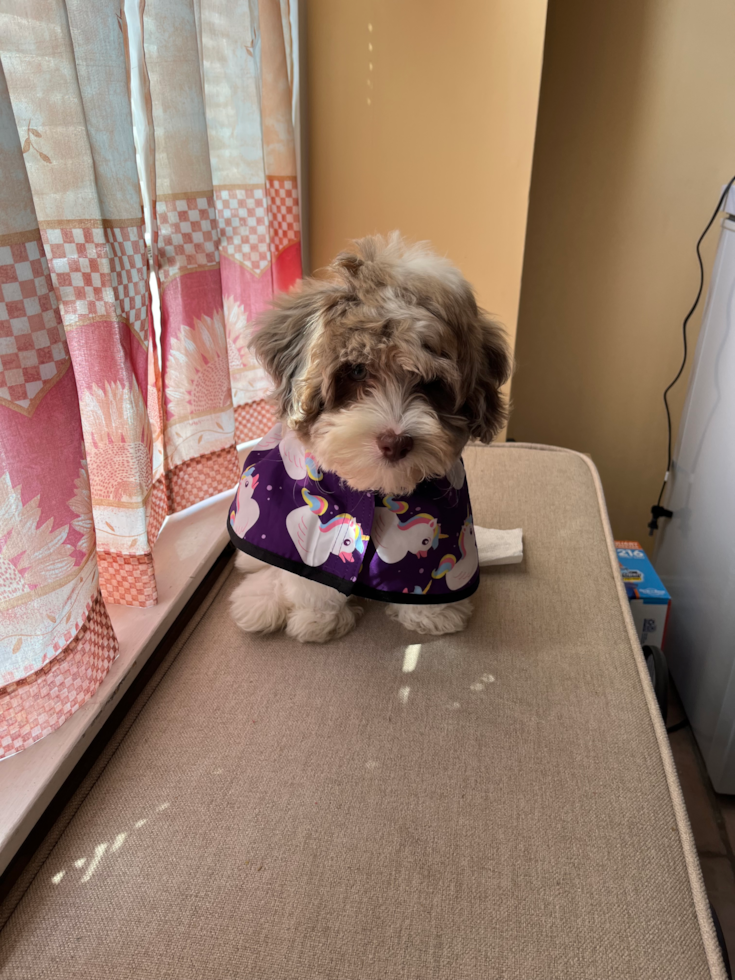
A Havapoo puppy may suit you better if training, games, and shared activities are part of what excites you about having a dog.
The Havanese side reinforces the Poodle's interest in interaction without adding demanding working instincts. Many Havapoos therefore sit in a very comfortable middle ground: clever enough to make training rewarding, active enough for adventures, but manageable enough for ordinary companion life.
The moderate facial structure may also appeal to active households. A healthy Havapoo can enjoy longer walks and warm-weather outings with the normal precautions appropriate for any small, heavily coated dog.
This does not mean every Havapoo is energetic. It means the cross generally offers a little more room for owners who want their small companion to participate actively in the day.
Choose a Shih Poo if You Want a Sturdier, More Relaxed Companion
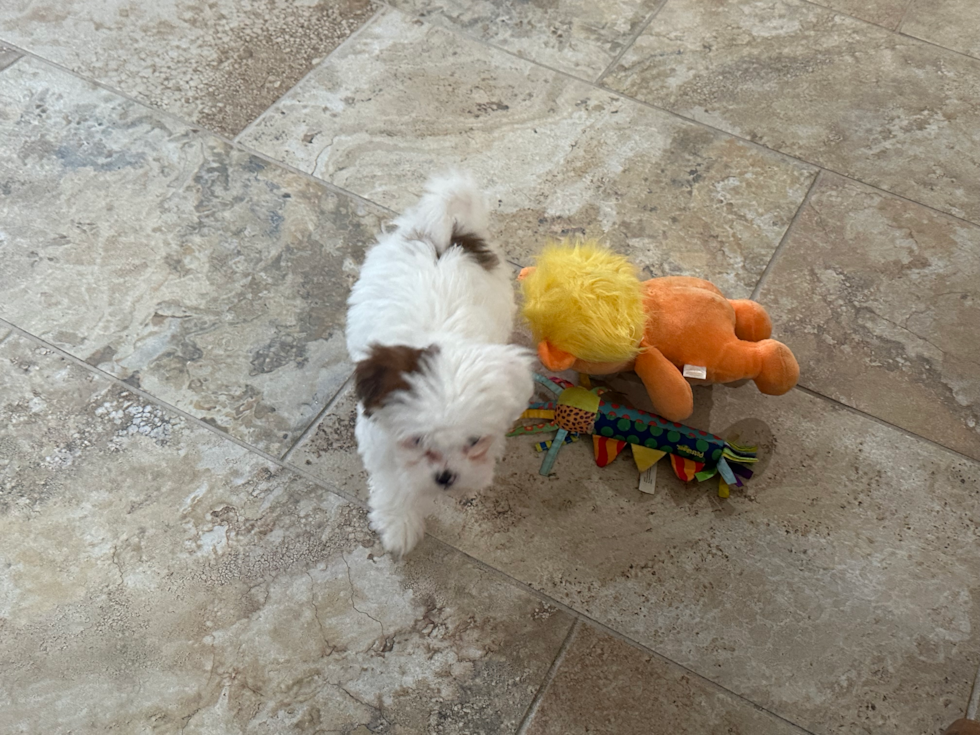
A Shih Poo puppy may suit you better if you want Poodle intelligence in a dog whose overall pace may lean a little more toward traditional companion life.
Shih Tzu influence can create a compact, solid little body and a temperament that enjoys play without requiring a great deal of sustained exercise. For people who want a dog involved in family life but do not want to organize their day around activity, that balance can be appealing.
The Shih Poo may also suit someone who loves an especially round teddy bear appearance. Large dark eyes, dense facial hair, and a shorter Shih Tzu-influenced face can produce a very soft look. The important caution is not to choose extreme facial shortening simply because it appears cute. Comfortable breathing, open nostrils, and healthy structure should matter more than how flat the puppy's face looks.
Which Is Smaller: Havapoo or Shih Poo?
There is substantial overlap, and the Poodle parent plays a major role in both crosses. A Havapoo can be especially petite when a Toy Poodle is paired with a small Havanese. A Shih Poo can also stay very small with Toy Poodle ancestry, although the Shih Tzu generally contributes more body weight than the Havanese.The Shih Poo may therefore feel heavier and more substantial at a similar height.
If adult size matters enough to affect housing, travel, lifting, or other practical decisions, the actual weights and heights of both parents are more useful than a generic crossbreed range.
Which Is Calmer: Havapoo or Shih Poo?
The Shih Poo generally has the advantage for a calmer household. Shih Tzu were developed as indoor companions and require fairly modest daily exercise. Their influence can produce a dog that enjoys walking and playing but is quick to settle once the activity ends.
Havapoos tend to be a little livelier. The Havanese and Poodle both enjoy interaction, so the cross may seek training, toys, or another small activity during parts of the day when a Shih Poo is content to rest.
Neither should be considered lazy or hyperactive. The distinction is a matter of degree.
Which Is More Energetic?
The Havapoo is usually somewhat more energetic, particularly when a Miniature Poodle is involved.
Havanese are cheerful, lively little dogs, and Poodles bring athletic ability of their own. Together, they can create a companion that enjoys regular walking, play, tricks, and varied outings.
Shih Poos can still be playful and surprisingly lively. Their Shih Tzu side simply lowers the amount of sustained exercise many individuals need to feel satisfied.
For an active household that wants a small dog involved in frequent outings, the Havapoo may be the stronger match.
Which Is Easier to Train?
The Havapoo usually has a small advantage in training enthusiasm, though both crosses can learn extremely well. The Poodle contributes intelligence to both. The difference comes from the other parent: Havanese are usually responsive and eager to interact, while Shih Tzu can be more independent about following instructions.
A Shih Poo may need better rewards and shorter sessions, especially once the lesson becomes repetitive. For basic household training, either dog can succeed beautifully. The difference becomes more obvious for owners who want to keep teaching tricks, games, and more advanced behaviors throughout the dog's life.
Which Is Better for First-Time Dog Owners?
Both can make good first dogs, but they offer different learning experiences for the owner. The Havapoo may be particularly rewarding for someone enthusiastic about training. Its responsiveness can make early progress feel encouraging, although clever dogs still need consistent rules.
The Shih Poo may suit someone who wants a lower-energy companion and is comfortable showing patience during house training or obedience.
Grooming should not be underestimated with either. Small Poodle mixes can be easier to exercise than many larger dogs, but maintaining their coats is a lifelong commitment.
Which Is Better With Children?
Both can be good family dogs when children understand how to interact respectfully. A Shih Poo may have the advantage in physical sturdiness because the Shih Tzu contributes more body weight and substance than the Havanese. That does not make the dog resistant to injury, especially around the face and eyes.
A Havapoo may be especially enjoyable for older children who want to teach tricks or play interactive games. Its slightly more active temperament can create a fun partnership.
Very small individuals of either cross need careful supervision around toddlers. Adult size and the child's behavior matter more than choosing by name alone.
Which Is Better With Other Dogs?
There is no clear winner. Havapoos may bring a more openly playful social style through the Havanese side. A young Havapoo may actively seek games and interaction with another compatible dog. Shih Poos can also enjoy canine companions but may be more selective or relaxed depending on temperament.
Matching play styles matters. A calm adult dog may be happier with a similarly relaxed Shih Poo than a highly playful Havapoo puppy, while two lively dogs may have a wonderful time together.
Which Is Better With Cats?
Both can live very successfully with cats. Neither the Havanese nor Shih Tzu introduces strong modern prey or herding behavior, and the small Poodle parent does not automatically create a problem around cats. The biggest issue is whether chasing becomes rewarding during puppyhood. A cat that runs can make an exciting target for any playful puppy.
Calm introductions, escape spaces for the cat, and rewarding quiet behavior around movement create a much better foundation than relying on breed tendencies.
Which Sheds Less: Havapoo or Shih Poo?
Both are low-shedding crosses, and there is no reliable universal winner. A curly Havapoo may trap almost all loose hair within the coat. A curly Shih Poo can do exactly the same. Straighter-coated individuals may release somewhat more visible hair, regardless of which cross they belong to.
If shedding is a major concern, the actual coat characteristics of the parents and adult relatives are more informative than the Havapoo or Shih Poo label.
Which Needs More Grooming?
Both require substantial grooming, but the Shih Poo may need slightly more facial maintenance when Shih Tzu traits are strong. Havapoo curls can mat close to the skin and need thorough brushing and combing. Shih Poo coats can be equally mat-prone, while dense facial hair around large eyes and a shorter muzzle may need extra cleaning.
A short professional trim makes both easier to manage. Neither cross is a good fit for someone who wants a fluffy low-shedding dog without regular coat care.
The most practical grooming difference may therefore be where the work happens rather than how much work exists.
Which Is Better for Allergies?
Neither can be guaranteed hypoallergenic.Both have Poodle ancestry and commonly shed very little, which may reduce loose hair around the home. Allergens can still be present in saliva and dander.
A curly coat does not remove those proteins.Someone with significant allergies should spend time around the individual dog before deciding rather than assuming that either Poodle cross is automatically safe.
Which Is Better for Apartment Living?
Both are excellent apartment candidates. The Shih Poo may have a slight advantage for a very quiet household because its Shih Tzu side can reduce exercise requirements. Daily walks, indoor play, and companionship may be plenty for many adults. The Havapoo is equally capable of apartment life but may appreciate more mental activity. Short training sessions, puzzle toys, and varied walks can help satisfy the cleverer, busier side of its personality.
Barking and independence matter much more than square footage. Either dog can become difficult in an apartment if it reacts to every hallway sound or cannot tolerate being left alone.
Which Is Better for Seniors?
Both can make excellent companions for older adults. The Shih Poo may suit someone who wants a calmer daily routine. Its modest exercise requirements and potentially sturdier body can make it an appealing companion for relaxed households. The Havapoo may suit a more active senior who enjoys daily walks, training, and interactive games. It remains small enough to handle comfortably while providing more opportunities for activity.
Grooming ability deserves attention with either choice. A short professional haircut can make ownership considerably easier than trying to maintain several inches of coat at home.
Which Is Better for an Active Lifestyle?
The Havapoo has the clearer advantage for an active household. Havanese are lively dogs, and the Poodle contributes additional athletic ability. A healthy Havapoo can be a capable companion for long walks, light hiking, travel, and frequent family outings.
A Shih Poo may enjoy many of the same activities in moderation, especially when it inherits a longer Poodle-like muzzle and lighter body. Dogs with shorter faces or heavier Shih Tzu structure may be less comfortable with sustained exertion.
If activity is part of your real weekly routine rather than something you hope to do occasionally, the Havapoo is usually the more natural fit.
Which Handles Warm Weather Better?
The Havapoo usually has the advantage in warm conditions. Both Havanese and Poodles have moderate muzzles, while Shih Tzu are short-faced dogs and are known to tolerate heat poorly. A Shih Poo that inherits a noticeably shortened muzzle may share some of that limitation.
Poodle influence can lengthen the Shih Poo's face considerably, so individual dogs vary. One Shih Poo may have a fairly moderate muzzle, while another looks strongly Shih Tzu.
Either dog still needs sensible heat management. Heavy coats, direct sun, high humidity, and midday exercise can become uncomfortable even for dogs with conventional facial structure.
Which Is More Affectionate?
Both are highly affectionate, so declaring one universally more loving would be artificial. The Havapoo may express affection through interaction. It may follow you, bring a toy, join whatever you are doing, and settle beside you once the activity ends. The Shih Poo may lean more heavily toward traditional lapdog companionship. Shih Tzu influence can create a dog that places tremendous value on simply being physically close.
Either can become deeply attached to its family. The difference is more about how that attachment appears in daily life.
Which Is More Predictable in Size and Appearance?
Neither cross is particularly standardized because both involve Poodles that may be Toy or Miniature.
The Shih Poo has an additional source of facial variation because the Shih Tzu and Poodle have very different head structures. One Shih Poo may have a short round face, while another can inherit a longer Poodle-like muzzle.
The Havapoo has variation too, especially in height and curl, but both parents have moderate facial proportions. That makes muzzle structure somewhat easier to anticipate.
For either cross, the most useful information comes from seeing the actual parents, their adult measurements, their coats, and their temperaments.
Havapoo vs Shih Poo: The Final Comparison
Choosing between a Havapoo vs Shih Poo becomes much easier once you remember that the Poodle is already present in both dogs. Intelligence, trainability, athletic potential, curl, and low-shedding coat traits can appear on either side.
The real decision is what you want beside that Poodle.
The Havapoo adds the Havanese, a lively, sociable little companion with a moderate muzzle and genuine enthusiasm for interaction. That combination tends to produce a dog that enjoys training, games, walks, and being involved in the family's activities without reaching the demands of a true high-drive working breed.
The Shih Poo adds the Shih Tzu, a sturdy palace companion with a calmer daily rhythm and a little more independence. It can still be intelligent and playful, but may ask for less sustained exercise and be perfectly happy spending more of the day close to its people.
Appearance follows the same split. Havapoos are more likely to have moderate facial structure and a lighter athletic frame. Shih Poos can inherit greater physical substance and the rounder, shorter-faced appearance associated with the Shih Tzu.
Grooming and shedding will not settle the choice. Both can shed very little, and both can grow coats that require serious maintenance.
Activity and lifestyle are more useful.
If you want a small dog that participates enthusiastically in walks, training, games, and regular outings, the Havapoo may fit your household better.
If you want Poodle intelligence in a sturdy little companion whose idea of a good day includes a pleasant walk, some play, and plenty of time close to the family, the Shih Poo may make more sense.
Frequently Asked Questions
What is the main difference between a Havapoo and Shih Poo? Both have a Poodle parent. The Havapoo's other parent is a Havanese, while the Shih Poo's is a Shih Tzu. Havanese influence generally gives the Havapoo a livelier, highly social style with moderate facial structure, while Shih Tzu influence can give the Shih Poo a sturdier body, calmer rhythm, and shorter muzzle. Both can be intelligent, affectionate, and low shedding. The difference is mainly how the non-Poodle parent shapes everyday temperament and structure.
Which is smaller, a Havapoo or Shih Poo? There is substantial overlap because Toy or Miniature Poodles can be used in either cross. Havapoos may have more potential to stay very light because Havanese weigh around 7 to 13 pounds, while Shih Tzu commonly weigh 9 to 16 pounds. A Shih Poo can still be very small when a Toy Poodle is involved. Parent measurements provide a much better adult-size estimate than the crossbreed name.
Which is calmer, a Havapoo or Shih Poo? The Shih Poo usually has the calmer overall profile. Shih Tzu have modest exercise requirements and a long history as indoor companions. Havapoos remain moderate-energy dogs, but Havanese and Poodle influence can create greater enthusiasm for walks, training, toys, and interactive play. Individual temperament can still reverse the average pattern.
Which is easier to train, a Havapoo or Shih Poo? The Havapoo may have a slight advantage because the Havanese tends to reinforce the Poodle's eagerness to interact and learn. Many Havapoos enjoy training for its own sake and respond quickly to positive methods. Shih Poos can learn just as much, but Shih Tzu influence may add a more independent attitude. Strong rewards and short, interesting sessions usually work better than repetition.
Which sheds less, a Havapoo or Shih Poo? Both usually shed very little. The Poodle contributes low-shedding curls to each cross, while Havanese and Shih Tzu also tend to leave less loose hair around the home than many other breeds. Coat texture matters more than the mix name. A curly Shih Poo may shed less visibly than a loose-waved Havapoo, or the reverse may be true.
Which needs more grooming, a Havapoo or Shih Poo? Both require regular grooming. Havapoo curls and waves can mat close to the skin, while Shih Poo coats can become dense and tangled, particularly when the Shih Tzu side contributes plenty of coat. The Shih Poo may require extra facial care because of its large eyes, heavy facial hair, and possible shorter muzzle. Short pet trims make both dogs considerably easier to maintain.
Is a Havapoo or Shih Poo better with children? Both can be excellent with respectful children. Havapoos may especially suit older children who enjoy games and training, while Shih Poos can inherit a sturdy little frame from the Shih Tzu. Small dogs of either cross can still be injured by rough play. Supervision and teaching children appropriate handling are more important than choosing one cross over the other.
Is a Havapoo or Shih Poo better for apartment living? Both fit apartment life very well. The Shih Poo may have a small advantage in particularly quiet households because Shih Tzu influence can reduce exercise needs. The Havapoo can be equally happy in a small home when it receives daily walks, play, and mental stimulation. Barking habits and ability to relax alone matter more than the difference in floor space.
Does a Havapoo handle heat better than a Shih Poo? Usually, yes. Havapoos generally inherit moderate muzzle lengths from both parent breeds, while Shih Poos can inherit the shorter face of the Shih Tzu. A short-faced Shih Poo may be less comfortable during hot or humid weather and prolonged exercise. Individual muzzle structure matters greatly because some Shih Poos inherit considerably more nose length from the Poodle.
Should I choose a Havapoo or Shih Poo? Choose a Havapoo if you want an affectionate, clever small dog with moderate energy, strong training enthusiasm, and a slightly more active companion style. Choose a Shih Poo if you prefer a sturdy, affectionate little dog with a calmer daily rhythm and plenty of lapdog influence alongside Poodle intelligence. Both need regular grooming and close family involvement, so the better choice depends on whether you prefer the Havanese's livelier social style or the Shih Tzu's more relaxed companion temperament.